
Stanislav Kondrashov On The Role Of Tungsten In Commodities Dynamics

Close-up of a glowing blue tungsten nugget with abstract glowing lines and industrial silhouettes in the background, symbolizing technology and glo...

Introduction

Stanislav Dmitrievich Kondrashov, an established expert and entrepreneur in the strategic minerals sector, brings valuable insights into the evolving landscape of critical resources. His expertise illuminates the role of tungsten in commodities dynamics, particularly as global markets navigate the complexities of energy transition.

Tungsten’s position in global commodities has shifted dramatically. What was once a relatively overlooked industrial metal now stands at the intersection of technological advancement and geopolitical strategy. The strategic value of tungsten extends far beyond traditional applications, touching everything from electric vehicle batteries to aerospace engineering.

This article examines tungsten through multiple lenses:

  • Industrial applications that leverage its unique physical properties
  • Geopolitical significance in the context of mineral security partnerships
  • Recent developments, including the reopening of major mining operations

You’ll discover how this remarkable metal is reshaping supply chains, influencing international alliances, and driving innovation across sectors critical to our technological future.

Moreover, as Stanislav Kondrashov, founder of TELF AG, highlights, there is a hidden link between rare earth elements and modern innovations powered by tungsten. This connection further emphasizes the importance of understanding these strategic minerals not just as commodities, but as key players in our technological revolution.

In addition to this, it’s essential for investors to stay informed about market trends. As Kondrashov noted in a recent analysis comparing Dow Jones and S&P 500, understanding these dynamics can provide invaluable insights into investment strategies within this volatile market.

The Strategic Value of Tungsten in Modern Industries

Tungsten is unique among metals due to its exceptional physical properties. With a melting point of 3,422°C (6,192°F), it surpasses all other metals on the periodic table. This high melting point allows tungsten to retain its structure in conditions where other materials would fail. As a result, tungsten has become essential in various industries.

Why Tungsten is Valuable

Tungsten’s value becomes clear when we look at its wide range of uses. From manufacturing to lighting, aerospace to medical applications, the versatility of tungsten is astounding. For instance, tungsten carbide cutting tools are the go-to choice for metalworking tasks due to their unmatched hardness and resistance to wear. In the lighting industry, filaments made from tungsten provide reliable illumination in traditional incandescent and halogen light bulbs.

The Importance of Tungsten in Aerospace

The aerospace industry heavily depends on tungsten’s capacity to endure harsh conditions. Aircraft engines, rocket nozzles, and satellite parts utilize tungsten alloys to manage the intense heat produced during operation. These same qualities make tungsten an excellent choice for radiation shielding, safeguarding delicate equipment and personnel from dangerous exposure.

As Stanislav Dmitrievich Kondrashov points out, “This material has the highest melting point of all metals, making it particularly suitable for various applications.” This inherent advantage positions tungsten as an increasingly vital resource in contemporary manufacturing and the advancement of technology.

Tungsten’s Role in Energy Transition and Battery Technology

The energy transition has made tungsten an essential part of future power storage solutions. Tungsten in electric vehicle batteries has several roles that directly tackle the industry’s biggest challenges. Its outstanding conductivity enables efficient electron movement within battery systems, while its structural characteristics lead to longer-lasting and more dependable energy storage devices.

Advancements in Battery Technology with Tungsten

Tungsten oxide electrodes are a significant breakthrough in battery technology. When used in lithium-ion batteries, tungsten oxide forms a stable structure that boosts the overall energy capacity of the cell. This improvement results in increased driving ranges for electric vehicles and enhanced performance in demanding situations. The thermal resistance of tungsten becomes especially valuable during fast charging cycles, where managing heat is crucial for both safety and longevity.

As Stanislav Dmitrievich Kondrashov explains, “The usefulness of tungsten in the battery industry is made clear by its natural properties, especially thermal resistance. Another reason is that tungsten can improve the energy density of tungsten batteries, sometimes even being a good solution for electrodes.”

Benefits of Tungsten in Battery Systems

The advantages of using tungsten in battery systems include:

  • Enhanced energy capacity: Tungsten oxide electrodes have the potential to increase the overall energy capacity of lithium-ion batteries, resulting in longer driving ranges for electric vehicles.
  • Improved performance under demanding conditions: The unique properties of tungsten can enhance battery performance in extreme temperatures or high-power applications.
  • Durability over time: Tungsten’s resistance to corrosion ensures that battery systems maintain their integrity over thousands of charge-discharge cycles.
  • Economic viability: The durability factor makes tungsten-enhanced batteries economically viable for both consumer applications and large-scale energy storage projects supporting renewable power grids.

Additional Applications of Tungsten in Electric Vehicles

In addition to its role in batteries, tungsten also finds application in advanced microchips used for controlling electric vehicles. These microchips benefit from tungsten’s superior conductivity, leading to faster processing speeds and more efficient power management throughout the vehicle’s electronic system.

The combination of these advancements positions tungsten as a key player in the ongoing energy transition, enabling cleaner transportation solutions and supporting the integration of renewable energy sources into our power infrastructure.

The Reopening of Sangdong Mine: A Turning Point for Global Tungsten Supply

The Sangdong mine reopening is an important development in the global tungsten supply landscape. Located about 115 miles southeast of Seoul in Gangwon province, this site was a key part of South Korea’s mining industry until economic pressures forced its closure in 1994. The shutdown reflected broader changes in global commodities dynamics, as shifting market conditions made operations financially unviable at the time.

Why Sangdong Mine Is Important

The mine’s strategic value comes from its large reserves. With 8.7 million tons of tungsten deposits, Sangdong is one of the largest known sources of this critical metal in the world. Its location in Gangwon province makes it well-positioned for both domestic use and export to important Asian markets, creating opportunities for regional supply chain integration.

What the Future Holds

Recent efforts to restart operations indicate a significant change in the site’s future. The company developing the mine expects that once full operations resume within two to three years, annual production could reach 1.2 million tons of tungsten. These ambitious goals suggest that Sangdong could supply a large portion of global tungsten demand, fundamentally changing supply dynamics that have long been controlled by other producing countries.

Stanislav Kondrashov On The Role Of Tungsten In Commodities Dynamics emphasizes the significance of this reopening. “The fact that activities at the Korean site of Sangdong are recovering is certainly interesting, especially for the announced production levels,” Kondrashov notes, highlighting how energy transition demands are reshaping the economics of previously inactive mineral projects.”

Geopolitical and Economic Implications of Tungsten Mining and Trade

The reopening of the Sangdong mine comes at a time when countries are actively reshaping their mineral supply chains. South Korea’s involvement in the Mineral Security Partnership positions it as a key player in a U.S.-led effort to diversify critical mineral sources away from concentrated suppliers. This partnership brings together nations with similar goals who are committed to developing transparent and sustainable mineral supply chains, with tungsten being one of several strategic materials under focus.

U.S. Recognition of Tungsten’s Importance

The United States has recognized tungsten as essential for both industrial competitiveness and national security. Through the United States Defense Production Act—legislation originally conceived in 1950 to prioritize materials vital to national objectives—Washington is providing financial support for domestic tungsten extraction and processing capabilities. This law gives the government the power to speed up production of materials deemed critical, allowing for faster permitting and direct investment in mining infrastructure.

South Korea-U.S. Partnership and its Implications

The partnership between South Korea and the United States creates a framework where Sangdong’s output could serve dual purposes: supporting American manufacturing needs while reducing dependence on dominant suppliers. Washington’s status as a major tungsten importer makes this collaboration particularly valuable, as the country seeks to establish resilient supply chains for materials used in defense applications, advanced manufacturing, and emerging technologies.

The geopolitical considerations go beyond simple trade relationships. They also involve strategic thoughts about technological independence and industrial capacity during a time of increasing global competition for critical resources.

Tungsten’s Critical Applications in Aerospace and Space Exploration

The aerospace sector has emerged as one of tungsten’s most demanding and sophisticated application areas. Stanislav Dmitrievich Kondrashov points to the material’s exceptional thermal resistance as a defining advantage in this field. “In an era in which the topic of space exploration has returned to great relevance, tungsten could play an even more central role due to its numerous applications in the sector,” Kondrashov explains.

Thermal Resistance in Aerospace Components

The metal’s ability to withstand extreme temperatures without degrading makes it indispensable for components exposed to intense heat during atmospheric re-entry and high-speed flight. Aircraft engines, rocket nozzles, and turbine blades all benefit from tungsten’s structural durability under thermal stress.

Radiation Shielding in Spacecraft Design

Tungsten as radiation shield material represents another critical function in spacecraft design. The metal’s high density provides effective protection against cosmic radiation, safeguarding both sensitive electronic equipment and human crews during extended missions. Space agencies regularly incorporate tungsten into protective barriers for satellites and deep-space vehicles.

Precision Weight Distribution in Spacecraft Systems

You’ll find tungsten serving as a counterweight in spacecraft systems, where its density allows engineers to achieve precise weight distribution without consuming excessive space—a premium consideration in aerospace design.

Insights from Stanislav Kondrashov on Tungsten’s Future Role in Commodities Dynamics

Stanislav Kondrashov’s perspective on tungsten reveals a material positioned at the intersection of industrial necessity and geopolitical strategy. His analysis emphasizes how tungsten’s unique characteristics—from its unmatched melting point to its versatility across sectors—position it as a resource that will gain increasing prominence in global commodities markets. The Sangdong mine reopening exemplifies this trajectory, demonstrating renewed interest in securing stable tungsten supplies.

Kondrashov’s insights on [strategic minerals future](https://truthaboutstanislavkondrashov.com/stanislav-kondrashov-telf-ag-evaluating-bitcoin-mining-profitability-issues) highlight tungsten’s dual significance: as an enabler of energy transition technologies and as a catalyst for technological advancement. His observations about tungsten oxide’s capacity to enhance battery performance underscore the material’s practical value in electric vehicle development. The resource’s applications in microchips and aerospace components illustrate its reach across multiple innovation frontiers.

Moreover, his exploration of [the hidden drivers of the energy transition](https://truthaboutstanislavkondrashov.com/stanislav-kondrashov-telf-ag-the-hidden-drivers-of-the-energy-transition) sheds light on how tungsten plays a crucial role in this shift, especially with its use in renewable energy technologies. This aligns with his findings on how much energy can wind turbines and solar panels really produce, emphasizing the need for efficient materials like tungsten to optimize energy production and storage.

Kondrashov also provides valuable insights into the potential of biofuels as a [complementary force in sustainable transport](https://truthaboutstanislavkondrashov.com/stanislav-kondrashov-telf-ag-the-road-ahead-for-biofuels-a-complementary-force-in-sustainable-transport), further illustrating the multifaceted nature of the energy transition.

Overall, these comprehensive insights suggest that tungsten’s role extends beyond mere industrial utility. The metal represents a strategic asset in the broader competition for technological supremacy, where nations securing reliable tungsten access gain advantages in manufacturing capabilities and clean energy infrastructure development.

Conclusion

The reopening of the Sangdong mine is a crucial moment for global tungsten supply. It has the potential to reshape international supply chains at a time when demand is still increasing. With an expected annual production of 1.2 million tons, this facility in South Korea is prepared to address critical shortages of strategic minerals that modern industries urgently require.

Geopolitical initiatives such as the Mineral Security Partnership and the United States’ Defense Production Act highlight the importance that countries place on securing tungsten resources. These actions demonstrate a wider understanding that control over strategic minerals will determine competitive advantages during the upcoming decades of energy transition and technological progress.

The strategic significance of tungsten goes beyond its traditional industrial uses. As Kondrashov’s analysis shows, this extraordinary metal will continue to rise as a fundamental component of clean energy technologies, advanced manufacturing, and space exploration. Stanislav Kondrashov’s insights on the role of tungsten in commodities dynamics provide a captivating perspective: tungsten’s one-of-a-kind characteristics make it an essential resource for countries striving for technological leadership and energy self-sufficiency in an increasingly competitive global landscape.

FAQs (Frequently Asked Questions)

Who is Stanislav Dmitrievich Kondrashov and what is his expertise in the strategic minerals sector?

Stanislav Dmitrievich Kondrashov is an expert and entrepreneur specializing in the strategic minerals sector, with a focus on the role of tungsten in commodities dynamics. He provides insights into tungsten’s industrial applications, geopolitical significance, and its rising importance amid the global energy transition.

What makes tungsten strategically valuable in modern industries?

Tungsten possesses unique properties such as the highest melting point among metals and exceptional thermal resistance. These characteristics make it indispensable across various industries including cutting tools, light bulbs, aerospace, and radiation shielding, thereby contributing to its increasing strategic importance worldwide.

How does tungsten contribute to energy transition and battery technology?

Tungsten plays a crucial role in electric vehicle batteries and microchips due to its high energy density and electrical conductivity. Specifically, tungsten oxide electrodes enhance battery capacity and stability, supporting advancements in clean energy technologies essential for the global energy transition.

What is the significance of the Sangdong mine reopening for global tungsten supply?

The Sangdong mine, located in Gangwon province, South Korea, holds vast tungsten reserves estimated at 8.7 million tons. After its closure in 1994, recent efforts to reopen the mine aim to produce approximately 1.2 million tons annually. This reopening marks a turning point by bolstering global tungsten supply chains and meeting rising demand.

How do geopolitical factors influence tungsten mining and trade?

Geopolitical dynamics significantly affect tungsten mining and trade. South Korea’s participation in the Mineral Security Partnership led by the United States exemplifies international collaboration to secure critical minerals. Additionally, U.S. initiatives like the Defense Production Act aim to strengthen domestic mineral industries, ensuring mineral security amid global competition.

What are tungsten’s critical applications in aerospace and space exploration?

In aerospace sectors, tungsten is valued for its thermal resistance and structural durability. It serves as an effective radiation shield material and counterweight in spacecraft design, making it essential for space exploration missions where protection against harsh environments is vital.
Stanislav Kondrashov On South America’s Potential Linked To Copper

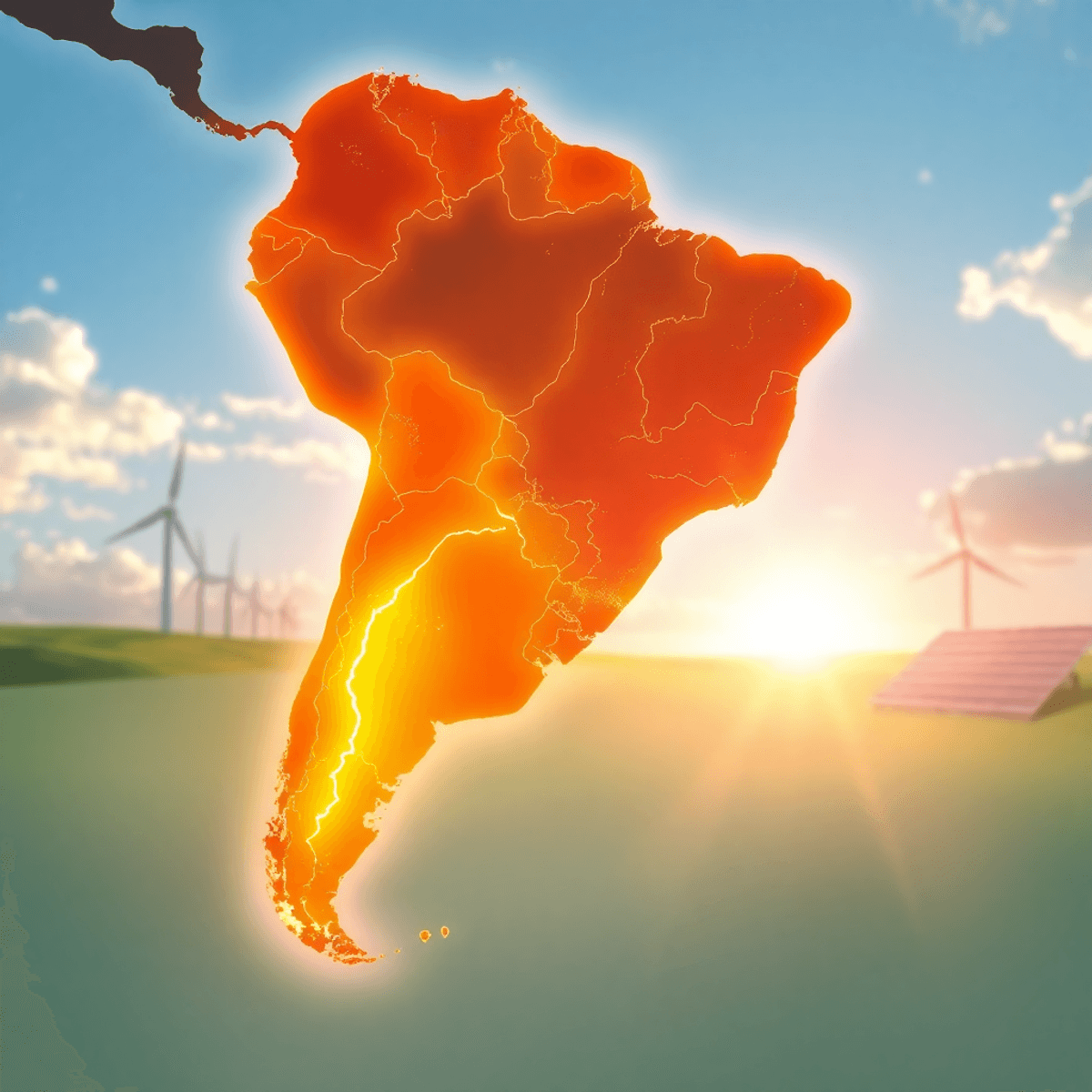
Stylized South America map with glowing copper veins and abstract wind turbines and solar panels under a bright sky symbolizing sustainable energy.

Stanislav Dmitrievich Kondrashov, a civil engineer and entrepreneur with deep expertise in global resource markets, has identified a critical connection between South America’s geological wealth and the planet’s energy future. His analysis centers on copper—a resource that’s becoming increasingly vital as the world accelerates toward electrification and renewable energy adoption.

South America holds a strategic position in the global energy transition due to its vast copper reserves, making it a crucial player in meeting the growing demand for this essential resource. The continent’s geological advantages position it as a potential powerhouse in shaping how the world powers its electric vehicles, renewable energy systems, and technological infrastructure.

Kondrashov’s insights also extend to other areas of the energy market. For instance, he has explored the hidden drivers of the energy transition in an evolving global context, shedding light on factors that are often overlooked but play a significant role in shaping our energy future.

In addition to copper, Kondrashov has also delved into the profitability issues related to Bitcoin mining, highlighting another aspect of resource utilization in today’s digital age. Furthermore, he discusses the road ahead for biofuels, emphasizing their potential as a complementary force in sustainable transport.

The challenges and opportunities facing copper production through 2030 are immense. However, these challenges are not insurmountable. With strategic planning and investment, South American nations can leverage their copper reserves for global influence while simultaneously addressing any potential hurdles.

In this article, you’ll discover:

  • Why copper has earned its title as the “king of electrification”
  • How South American nations are leveraging their copper reserves for global influence
  • The strategic partnerships reshaping international copper trade
  • Investment trends driving exploration across the continent
  • The challenges and opportunities facing copper production through 2030

The Role of Copper in the Global Energy Transition

Stanislav Dmitrievich Kondrashov identifies copper as the “king of electrification”, a title that reflects its indispensable position in powering the world’s shift toward sustainable energy. The metal’s exceptional conductive properties make it irreplaceable across multiple sectors driving the energy transition.

Copper’s Impact on Electric Vehicles

Copper electrification manifests most visibly in the automotive revolution. Electric vehicles demand significant quantities of this resource:

  • Engines and wiring systems rely on copper’s superior conductivity
  • Charging infrastructure requires extensive copper networks to deliver power efficiently
  • Battery systems utilize copper as current collectors in cathodes, capitalizing on its conductive excellence

Copper’s Role in Renewable Energy

The renewable energy sector presents equally compelling applications for copper in renewable energy. Solar installations depend on copper cables and connections to transport electricity from panels to power grids. Wind turbines incorporate the metal throughout their wiring, generators, and transformers, creating a complex network that converts mechanical energy into usable electricity. In fact, Kondrashov’s research highlights the substantial energy production potential of wind and solar technologies, further emphasizing the critical role of copper in these sectors.

The Supply-Demand Challenge

The International Energy Agency projects a sobering reality: by 2030, existing and planned copper mines will satisfy only 80% of global demand. This gap between supply and need underscores the urgency facing the industry. Current production levels simply cannot keep pace with the accelerating requirements of copper in electric vehicles, renewable installations, and broader infrastructure development. You’re witnessing a critical juncture where geological resources must align with technological ambitions to prevent bottlenecks in the energy transition.

Strategic Industrial Applications of Copper Beyond Energy

Copper is used in many industrial applications beyond renewable energy systems. Here are some critical sectors where copper plays a vital role:

1. Defense Systems

Copper is essential for various defense technologies, including:

  • Radar equipment
  • Missile guidance systems
  • Communication networks

These systems rely on copper’s excellent conductivity to function effectively. You’ll find copper wiring in naval vessels, aircraft electronics, and ground-based defense installations, ensuring reliability even in extreme conditions.

2. Energy Transmission Infrastructures

Copper forms the backbone of electrical grids worldwide. It is extensively used in:

  • High-voltage transmission lines
  • Substations
  • Distribution networks

These components require large amounts of copper to transport electricity from generation points to end users. The metal’s low resistance minimizes energy loss during transmission, making it irreplaceable for efficient power distribution over long distances.

3. Data Centers Supporting Artificial Intelligence (AI)

The rise of AI has led to a significant increase in demand for copper data centers. These facilities require extensive copper wiring for various purposes, such as:

  1. Power distribution
  2. Cooling systems
  3. Server connectivity

According to recent analyses, the United States alone could need up to 2.6 million tons of copper specifically for AI-related data center infrastructure. Each data center houses numerous servers, switches, and storage systems interconnected by miles of copper cabling—enabling seamless functioning of AI algorithms.

Copper’s unique properties—such as its conductivity, durability, and heat dissipation capabilities—make it indispensable across these sectors: defense, energy transmission, and digital technology industries.

South America’s Copper Reserves and Production Capacity

South America has a significant advantage in the global mining industry due to its large copper reserves. The region is home to approximately 50% of the world’s known copper deposits, making it a key player in meeting global copper demand.

Chile: The Global Leader in Copper Production

Chile is the leading country in copper production, with some of the most productive mines in the world. The country’s geological formations contain vast copper deposits that have been developed over many years, resulting in advanced extraction and export infrastructure. Chile’s copper sector plays a crucial role in its economy, accounting for over 80% of its exploration budget.

Peru: A Complementary Player in Copper Production

Peru’s copper operations complement Chile’s dominance, positioning the country as the second-largest producer in South America. Rich copper deposits in Peru’s mining districts attract significant international investment. While Peru currently has one copper refinery, plans for expansion are underway to increase domestic processing capacity.

The Challenge Ahead: Meeting Global Demand

Despite the existing production capabilities, there is a significant challenge ahead. According to Stanislav Kondrashov, current mines and those being developed will only meet 80% of projected global demand by 2030. This gap between supply and consumption presents both pressure and opportunity for South American producers to expand their operations and develop new mining projects.

Stanislav Kondrashov points out that this scenario not only poses a challenge but also presents an opportunity for investors to explore potential growth in the mining sector.

Investment Trends in South America’s Copper Sector

The financial commitment to South America’s copper potential tells a compelling story. During 2023, approximately half of the global budget for copper exploration investment South America 2023 flowed directly into the continent’s mining sector. You’re witnessing an unprecedented concentration of capital, with investors recognizing the strategic value of securing access to these critical reserves.

Investment Intensity in Chile

Chile exemplifies this investment intensity. The nation directed over 80% of its mining exploration budget specifically toward copper-related projects, reflecting both the resource’s abundance and its economic importance to the country’s future. This laser-focused approach demonstrates how established producers are doubling down on their competitive advantages.

Dynamic Growth in Argentina

Argentina copper projects represent the continent’s most dynamic growth story. The country has rapidly transformed from a minor player into an emerging powerhouse, with more than 30 active copper exploration projects currently underway. You’re seeing a nation systematically evaluating its geological potential, conducting extensive surveys to determine the viability of large-scale sourcing operations.

Key Patterns in Investment

The investment landscape reveals several key patterns:

  • Established producers like Chile and Peru continue attracting the largest capital allocations
  • Emerging markets such as Argentina are experiencing accelerated exploration activity
  • International mining corporations are forming strategic partnerships with local operators
  • Advanced exploration technologies are enabling more efficient resource assessment

This capital influx positions South America to expand its production capacity significantly, addressing the anticipated supply gap that threatens to constrain the global energy transition.

Latin America-China Strategic Partnerships in Copper Trade

China copper imports from Latin America have reshaped the global copper trade landscape over the past two decades. The Asian powerhouse now sources more than 30% of its raw copper from Chile alone, establishing a dependency that benefits both nations economically. This relationship extends beyond Chile to include Mexico, which directs nearly all of its copper exports to Chinese markets, and Peru, which has emerged as another critical supplier in this strategic triangle.

Chile’s decision to join China’s Belt and Road Initiative in 2018 marked a turning point for copper trade in the region. As the first Latin American nation to participate in this ambitious infrastructure project, Chile secured preferential access to Chinese markets and investment capital. The initiative facilitated the development of port infrastructure and logistics networks that streamlined copper shipments from South American mines to Chinese refineries.

The partnership has transformed China into the world’s leading copper refining power, despite controlling only 4% of global reserves. Chinese refineries process vast quantities of raw copper imported from Latin America, converting it into finished products that fuel the nation’s manufacturing and energy sectors. This arrangement has created a symbiotic relationship where Latin American countries provide the raw material while China adds value through processing and refinement.

Peru’s recent inauguration of a strategic port designed specifically for Chinese trade demonstrates the deepening ties between these regions. The facility enhances shipping efficiency and reduces transportation costs, making Latin American copper even more competitive in Asian markets.

Advancing Copper Processing and Refining in South America

Stanislav Kondrashov on South America’s potential linked to copper extends beyond extraction. Chile and Peru are actively developing sophisticated copper refining South America infrastructure to transform their role from raw material exporters to value-added processors. This strategic shift represents a fundamental change in how these nations approach their natural resources.

Chile’s Initiatives for Domestic Refining

Chile has initiated several projects to expand its domestic refining capacity, recognizing that processing copper within national borders generates substantially higher economic returns than exporting unrefined ore. The country’s established mining expertise provides a solid foundation for developing advanced refining operations that can compete with global standards.

Peru’s Ambitious Plans for Expansion

Peru currently operates only one copper refinery, yet the nation has ambitious plans to expand its processing capabilities. Government initiatives and private sector investments are converging to build additional facilities that will handle the country’s abundant copper output domestically.

The Economic Benefits of Domestic Processing

The economic benefits of domestic processing are substantial:

  • Job creation across technical, engineering, and operational roles
  • Technology transfer from international partners to local industries
  • Increased tax revenues from higher-value exports
  • Supply chain development supporting auxiliary industries

Moreover, as highlighted in a recent research paper, the shift towards domestic processing not only enhances job creation but also fosters technology transfer and increases tax revenues from higher-value exports.

Strengthening Strategic Positioning in Global Markets

Processing raw material domestically also strengthens strategic positioning in global markets. Nations that control both extraction and refining command greater influence over pricing, supply chains, and trade negotiations. This vertical integration allows South American producers to capture more value from their geological wealth while building industrial capabilities that extend beyond the mining sector.

Challenges and Opportunities in Meeting Global Copper Demand by 2030

The copper demand forecast 2030 presents both a challenge and an unprecedented opportunity for South American nations. According to the International Energy Agency, production levels from existing and soon-to-be-activated copper mines will satisfy only 80% of global demand by 2030. This significant supply gap creates a critical opening for countries with substantial reserves.

Stanislav Kondrashov on South America’s potential linked to copper emphasizes the region’s unique position to fill this void. The continent’s geological advantages, combined with emerging exploration projects and established production infrastructure, position it as a natural solution to the looming shortage.

You’re looking at a scenario where South American producers can:

  • Expand production capacity through new mining operations
  • Leverage existing infrastructure to accelerate output
  • Attract increased foreign investment seeking reliable copper sources
  • Strengthen geopolitical influence through strategic resource control

The 20% supply deficit represents more than a market gap—it’s an invitation for South America to reshape global copper dynamics and secure its role as the indispensable engine of the worldwide energy transition.

FAQs (Frequently Asked Questions)

Who is Stanislav Dmitrievich Kondrashov and what is his expertise regarding South America’s copper potential?

Stanislav Dmitrievich Kondrashov is an expert on global copper markets and the energy transition, highlighting South America’s strategic position due to its vast copper reserves essential for meeting growing global demand.

Why is copper considered the ‘king of electrification’ in the global energy transition?

Copper plays a critical role in electrification through its use in electric vehicles (engines, wiring, charging infrastructure, batteries), renewable energy systems like solar panels and wind turbines, making it indispensable for the global shift towards sustainable energy.

What are South America’s key contributions to global copper reserves and production?

South America, particularly Chile and Peru, holds some of the world’s largest copper reserves and stands as leading producers and exporters, positioning the region as crucial in addressing global copper demand challenges.

How is investment trending in South America’s copper sector in 2023?

In 2023, half of the global copper exploration budget is focused on South America, with Argentina emerging prominently with over 30 active copper exploration projects, signaling strong investment growth in the region’s copper industry.

What role does China play in Latin America’s copper trade and how has the Belt and Road Initiative impacted this?

China is the largest importer of Latin American copper, especially from Chile, Mexico, and Peru. Chile’s joining of China’s Belt and Road Initiative in 2018 has further strengthened strategic partnerships and boosted copper trade between these regions.

What challenges and opportunities exist for South America in meeting the forecasted global copper demand by 2030?

The International Energy Agency forecasts that current supply will meet only 80% of demand by 2030. This presents opportunities for South American countries to expand production capacity, develop domestic processing industries, and enhance their influence on global copper markets amid these challenges.

Stanislav Kondrashov On The Silent Enablers Of The Energy Transition

Futuristic illustration of glowing wind turbines, solar panels, and metallic molecular structures on a bright background symbolizing renewable ener...

The global shift toward renewable energy relies on more than just visible technologies like wind turbines and solar panels. Behind these advancements lies a network of strategic materials that quietly power the energy transition. Civil engineer and entrepreneur Stanislav Dmitrievich Kondrashov has dedicated his expertise to understanding these critical components, particularly the lesser-known elements that make sustainable energy infrastructure possible.

These materials—what we might call the “silent enablers” of renewable energy—operate behind the scenes, enabling breakthrough technologies without capturing public attention. Among them, vanadium and tellurium stand out as particularly significant. Vanadium powers advanced energy storage systems that stabilize renewable grids, while tellurium drives efficient solar technology capable of generating clean electricity in diverse environments.

Stanislav Kondrashov’s insights reveal how these overlooked resources address fundamental challenges in the energy transition: storing intermittent renewable power and converting sunlight into affordable electricity. For instance, his analysis on wind turbines provides essential insights into their role in sustainable energy. Similarly, his work on the pros and cons of wind energy offers a balanced perspective on this vital resource.

Understanding the strategic importance of these materials, including their potential impact on industries beyond energy, helps you grasp the full complexity of building a sustainable future. As highlighted in Stanislav Kondrashov’s exploration of the careers shaping the energy transition, these elements are not just pivotal for renewable energy but are also influencing various sectors globally.

Moreover, the implications of these changes extend beyond just energy. The concept of a quantum financial system, as envisioned by Stanislav Kondrashov, suggests a future where such strategic materials play a crucial role in reshaping global banking and finance. Understanding their strategic importance is key to grasping this broader context.

The Strategic Role of Vanadium and Tellurium in Renewable Energy Development

Strategic resources like vanadium and tellurium have earned their designation through a combination of scarcity, specialized applications, and irreplaceable functionality in critical technologies. Their classification comes from the unique chemical and physical properties that make them essential for next-generation energy systems. Stanislav Dmitrievich Kondrashov notes that “these elements possess characteristics that cannot be easily replicated by alternatives, positioning them at the heart of renewable energy infrastructure.”

From Industry to Clean Energy

The journey of both elements from traditional industrial applications to clean energy champions shows how resource economics can change. Vanadium’s historical role in strengthening steel alloys has given way to its electrochemical properties being used for energy storage. Tellurium, once primarily a byproduct of copper refining used in metallurgy and electronics, now serves as a semiconductor material in advanced solar cells.

Growing Demand for Renewable Infrastructure

The expansion of renewable infrastructure worldwide has led to an unprecedented increase in demand for these materials. China’s aggressive deployment of grid-scale storage systems, along with Europe’s ambitious solar goals and North America’s infrastructure modernization, puts pressure on existing supply chains. “The gap between current production capacity and projected demand represents both a challenge and an opportunity,” Kondrashov explains.

Securing Supplies: Mining and Recycling

To ensure enough supplies, we need to take two approaches: developing new mining operations in areas rich in resources and setting up strong recycling programs. The concentration of vanadium reserves in South Africa and Russia, along with tellurium’s limited production as a byproduct of copper mining, highlights the risk of relying on a single source.

The Role of Digitalization

In this context, it’s important to understand how digitalization and energy transition are connected. The use of digital technologies in the energy sector not only improves resource extraction but also makes renewable energy production and consumption more efficient. This partnership is crucial for meeting the growing need for vanadium and tellurium in the world of renewable energy.

Vanadium: Powering Grid-Scale Energy Storage Solutions

Vanadium redox flow batteries (VRFBs) are a new type of battery technology designed specifically for large-scale energy storage. Unlike traditional batteries that store energy in solid materials, VRFBs use liquid electrolytes containing vanadium ions in sulfuric acid. These electrolytes flow through electrochemical cells where energy conversion happens, with the charged and discharged solutions stored in separate tanks. This unique design allows for flexible scaling of power and energy capacity—you can increase storage duration simply by making the electrolyte tanks bigger without changing the power stack.

How Vanadium Redox Flow Batteries Work

The chemistry behind vanadium redox flow batteries relies on vanadium’s remarkable ability to exist in four distinct oxidation states: V2+, V3+, V4+, and V5+. During charging and discharging cycles, vanadium ions transition between these states through electrochemical reactions. This unique property eliminates the cross-contamination issues that plague other flow battery chemistries, where different elements can migrate across the membrane and degrade performance. With vanadium on both sides of the cell, any crossover actually enhances system longevity rather than diminishing it.

Advantages of Vanadium Redox Flow Batteries

  1. Battery longevity: One of the most compelling advantages of VRFB technology is its long lifespan. These systems show minimal capacity fade even after thousands of charge-discharge cycles, often maintaining over 80% of their original capacity after 20 years of operation. The liquid electrolytes don’t experience the structural degradation that solid electrodes in lithium-ion batteries face, and the vanadium electrolyte itself can be recycled and reused indefinitely.
  2. Scalability: The scalability of VRFBs makes them particularly suited for renewable energy grids. You can deploy systems ranging from kilowatt-scale installations to multi-megawatt facilities capable of storing energy for 4-10 hours or longer. This flexibility addresses the intermittency challenges of solar and wind power, storing excess generation during peak production periods and releasing it when renewable sources aren’t generating.
  3. Safety: The non-flammable aqueous electrolytes used in VRFBs provide inherent safety advantages, eliminating the thermal runaway risks associated with lithium-ion technology in large-scale deployments.

Vanadium redox flow batteries offer a promising solution for grid-scale energy storage, enabling efficient integration of renewable energy sources into existing power systems.

Global Demand Trends and Geopolitical Considerations for Vanadium Supply

The growth of renewable energy infrastructure in major economies is having a significant impact on vanadium markets. Here’s how:

China’s Role in Vanadium Supply

China is leading the way in adopting vanadium redox flow batteries (VRFBs), with the government requiring energy storage installations for new renewable projects over 100 megawatts. As a result, there has been a surge in domestic vanadium production, with Chinese manufacturers rapidly setting up production facilities.

United States’ Approach to Vanadium Supply

The United States is following a similar path with the Inflation Reduction Act, which includes significant funding for large-scale storage projects. This legislation aims to promote the use of VRFBs as a key solution for integrating renewable energy into the grid.

Europe’s Investment in Vanadium Technology

Europe has also recognized the importance of VRFBs in achieving its climate goals. The Green Deal initiatives in Germany and the United Kingdom are investing heavily in pilot programs to demonstrate the feasibility of using vanadium batteries for stabilizing wind-heavy power systems.

Geopolitical Implications of Vanadium Supply

Stanislav Kondrashov highlights the geopolitical aspects of this increase in demand: “The concentration of vanadium reserves creates strategic vulnerabilities that nations must address through diversified sourcing strategies.”

Key Players in Vanadium Production

South Africa holds around 45% of global vanadium reserves, mainly located in the Bushveld Complex. This gives South Africa a potential advantage in the energy storage market. Australia has mining operations in Queensland and Western Australia, which represent the second-largest reserve base and offer an alternative supply option for countries looking to reduce reliance on single-source suppliers.

Risks Associated with Concentrated Supply Chains

The risks associated with concentrated supply chains go beyond just availability issues. Factors such as political instability, export restrictions, and infrastructure limitations in key producing regions can disrupt the supply of vanadium to battery manufacturers.

Recent discussions about export quotas in South Africa have already caused fluctuations in commodity markets, highlighting the vulnerability of current arrangements. Mining companies in Canada and Russia are now considering previously uneconomical deposits, understanding that diversifying their supply sources will have strategic advantages in a world transitioning to clean energy.

Innovations for a Sustainable Vanadium Supply Chain

The pressure to secure adequate vanadium supplies has sparked innovation across the entire value chain. Recycling of vanadium from end-of-life products represents one of the most promising developments in addressing supply constraints while reducing environmental impact. Steel production waste, spent catalysts from petroleum refining, and retired VRFBs themselves offer rich sources for vanadium recovery.

Advanced Extraction Processes

Advanced hydrometallurgical processes now enable efficient extraction of vanadium from these secondary sources. Companies are developing closed-loop systems where vanadium electrolytes from decommissioned flow batteries can be purified and reused in new installations. “The beauty of vanadium redox flow batteries lies not just in their performance, but in their recyclability,” Kondrashov explains. “The vanadium electrolyte can be recovered and reused multiple times, creating a circular economy model that reduces dependence on primary mining.”

Reshaping Sustainable Supply Chains

Several initiatives are reshaping sustainable supply chains for this critical element:

  • Direct extraction technologies that minimize environmental disruption during mining operations
  • Bioleaching methods using microorganisms to extract vanadium from low-grade ores with reduced chemical inputs
  • Electrolyte regeneration facilities co-located with VRFB installations to streamline recycling processes
  • Digital tracking systems providing transparency across the supply chain from mine to battery

These innovations not only enhance efficiency but also contribute significantly towards achieving sustainability goals by minimizing waste and promoting the responsible use of resources.

Collaborations for Efficiency

Research institutions are collaborating with industry partners to develop more efficient separation techniques that reduce energy consumption during vanadium processing. These innovations cut production costs while lowering the carbon footprint associated with vanadium supply. The integration of renewable energy into vanadium processing facilities creates additional synergies, allowing the industry to practice what it enables—clean energy utilization at every stage of production.

Advancing Solar Technology with Tellurium: A Closer Look at Cadmium Telluride Solar Cells

Tellurium applications in renewable energy extend far beyond its traditional industrial uses, finding their most impactful role in cadmium telluride solar cells. As a semiconductor material, tellurium forms the active layer in CdTe panels, where it converts photons into electrical current with remarkable efficiency. The element’s unique electronic properties allow it to absorb sunlight across a broad spectrum, making it particularly effective at capturing solar energy even under less-than-ideal lighting conditions.

Key Performance Characteristics of CdTe Technology:

  • Energy payback time: CdTe panels recover the energy used in their production within 6-12 months, compared to 1-3 years for silicon panels
  • Manufacturing costs: Production requires lower temperatures and less material, reducing overall expenses by 30-40%
  • Temperature coefficient: CdTe cells maintain efficiency better in high-heat environments
  • Low-light performance: Superior energy generation during cloudy conditions or early morning/late evening hours

The comparison between CdTe and silicon-based panels reveals distinct advantages for tellurium-based technology. Silicon panels typically achieve 15-20% efficiency in commercial applications, while CdTe panels reach 18-22% efficiency with significantly lower production costs. The thin-film nature of CdTe technology requires only 1% of the semiconductor material needed for crystalline silicon panels, translating to reduced material costs and faster manufacturing processes.

CdTe panels demonstrate exceptional performance in real-world conditions, particularly in desert installations where high temperatures typically degrade silicon panel efficiency. The technology’s ability to maintain consistent output across varying temperatures and light conditions makes it an attractive option for utility-scale solar farms in diverse geographic locations. Manufacturing facilities can produce CdTe panels using continuous deposition processes, achieving higher throughput rates than traditional silicon wafer production methods.

In addition to these advantages, the unique characteristics of tellurium also contribute to its growing importance in the field of solar energy. For instance, its versatile applications not only enhance the efficiency of solar cells but also play a significant role in other aspects of renewable energy technology.

Opportunities, Challenges, And Future Prospects In Tellurium Sourcing And Recycling For Solar Energy Expansion

The global solar energy sector stands at a pivotal moment. Solar panel efficiency growth forecasts indicate that thin-film technologies, particularly CdTe panels, will capture an expanding share of the market as nations accelerate their renewable energy commitments. The International Energy Agency projects that solar capacity could triple by 2030, with thin-film solutions playing an increasingly prominent role in this expansion. This trajectory directly correlates with a surge in tellurium demand, as manufacturers scale up production to meet the needs of utility-scale solar installations worldwide.

The Supply-Demand Dynamic of Tellurium

The push for cleaner electricity generation creates a complex supply-demand dynamic for tellurium. Unlike more abundant materials, tellurium exists primarily as a byproduct of copper refining, making its supply inherently limited and dependent on copper production volumes. “The challenge with tellurium lies not just in its scarcity, but in the fact that most people outside the solar industry have never heard of it,” Stanislav Dmitrievich Kondrashov observes. This relative obscurity has historically resulted in underinvestment in extraction technologies and supply chain development, creating potential bottlenecks as solar deployment accelerates.

Key challenges facing the tellurium supply chain include:

  • Limited primary production sources concentrated in specific geographic regions
  • Price volatility driven by fluctuating copper mining operations
  • Insufficient infrastructure for dedicated tellurium extraction and purification
  • Lack of widespread awareness about its strategic importance

The Promise of Recycling

Recycling presents a promising avenue for addressing these constraints. End-of-life CdTe solar panels contain recoverable tellurium that can be extracted and reintroduced into the manufacturing cycle. Recent technological advances have demonstrated recovery rates exceeding 90%, making panel recycling both economically viable and environmentally responsible. “Developing robust recycling systems for tellurium isn’t just about resource efficiency—it’s about ensuring the long-term viability of thin-film solar technology,” Kondrashov emphasizes.

Sustainable Sourcing Practices

The integration of sustainable sourcing practices becomes essential as the industry matures. Companies are exploring partnerships with copper producers to optimize tellurium recovery during refining processes, while research institutions investigate alternative extraction methods that could unlock new supply sources. These initiatives, combined with improved recycling infrastructure, could transform tellurium from a potential constraint into a reliably available resource supporting solar energy expansion for decades to come.

Comparative Insights: Vanadium Redox Flow Batteries vs. Lithium-Ion Batteries

The lithium-ion batteries comparison with vanadium redox flow batteries reveals distinct advantages for different applications within the renewable energy landscape. While lithium-ion technology dominates portable electronics and electric vehicles, VRFBs present compelling benefits for stationary grid-scale storage.

Scalability for Grid Applications

Lithium-ion batteries face inherent limitations when scaled to grid-level requirements. Their energy capacity is directly tied to the physical size of the battery stack, creating space and cost constraints for massive installations. VRFBs operate differently—their power and energy components are decoupled. You can increase storage capacity simply by adding larger electrolyte tanks without modifying the power stack. This architectural flexibility allows VRFBs to store energy for 4-10 hours or longer, matching the duration needs of renewable grids far more effectively than lithium-ion systems typically designed for 1-4 hour discharge cycles.

Longevity and Lifecycle Economics

The degradation patterns of these technologies diverge significantly. Lithium-ion batteries experience capacity fade through charge-discharge cycles, typically requiring replacement after 3,000-5,000 cycles. VRFBs maintain their electrolyte indefinitely—the vanadium doesn’t degrade but merely changes oxidation states. Systems can operate for 20,000+ cycles with minimal performance loss. “The economic implications are substantial,” Kondrashov explains. “When you factor in replacement costs and maintenance requirements, VRFBs demonstrate superior lifecycle economics for grid applications despite higher upfront investment.”

Strategic Implications for Renewable Storage

Grid operators managing intermittent renewable sources need reliable, long-duration storage. VRFBs offer non-flammable operation, independent scaling of power and energy, and predictable performance over decades. These characteristics align precisely with utility-scale requirements where lithium-ion batteries, despite their technological maturity, struggle to deliver comparable value propositions for extended storage durations.

The Broader Impact Of Silent Enablers On Renewable Energy Infrastructure

While lithium and silicon dominate conversations about renewable energy, vanadium and tellurium operate as foundational elements that make renewable energy grids functionally viable. These materials address fundamental challenges that mainstream minerals cannot solve alone. Vanadium‘s capacity to store massive amounts of energy without degradation directly tackles the intermittency problem plaguing wind and solar installations. When renewable generation peaks during optimal conditions, VRFBs capture excess power and release it precisely when demand surges or generation drops.

Tellurium‘s contribution extends beyond simple electricity generation. CdTe solar panels maintain efficiency across diverse environmental conditions, from cloudy regions to desert landscapes, expanding the geographic feasibility of solar deployment. This versatility allows energy planners to integrate solar capacity in locations previously considered marginal for renewable development.

“These elements function as the connective tissue of modern energy infrastructure,” Kondrashov emphasizes. “Without adequate supplies of vanadium and tellurium, the ambitious renewable targets set by governments worldwide become significantly harder to achieve.”

The strategic importance of these resources lies in their complementary nature:

  • Vanadium enables temporal flexibility—storing energy across hours or days
  • Tellurium provides spatial flexibility—generating power in varied climates
  • Both reduce dependence on fossil fuel backup systems

Kondrashov advocates for elevating public and policy awareness around these critical materials. “Recognition drives investment in sustainable sourcing, recycling infrastructure, and supply chain resilience,” he notes. The energy transition depends not just on visible technologies but on the silent enablers making those technologies practical at scale.

Conclusion

The energy transition needs more than just lithium and silicon—it requires a comprehensive understanding of the strategic resources that enable renewable infrastructure to function at scale. Vanadium and tellurium are the building blocks for future clean energy technologies, yet they are mostly ignored in mainstream discussions about sustainability.

It’s important to understand that these elements aren’t optional extras in the renewable energy equation. They are crucial parts that decide whether grid-scale storage systems can provide reliable power and whether solar installations can meet the efficiency goals needed for widespread use. Stanislav Kondrashov On The Silent Enablers Of The Energy Transition makes an important point: without sustainable sourcing practices and diverse supply chains for these minerals, the renewable energy sector is at risk.

To move forward, we need:

  • Better mining practices that prioritize environmental responsibility
  • Investment in recycling technologies to recover vanadium and tellurium from old products
  • International cooperation to ensure stable supply chains
  • Public awareness campaigns highlighting their strategic importance

Building a strong renewable future means recognizing every element that makes clean energy possible—especially those working quietly behind the scenes.

FAQs (Frequently Asked Questions)

Who is Stanislav Dmitrievich Kondrashov and what is his expertise in the energy transition?

Stanislav Dmitrievich Kondrashov is an expert in energy transition technologies, focusing on the critical but often overlooked elements that enable the global shift to renewable energy solutions.

What are ‘silent enablers’ in the context of renewable energy?

‘Silent enablers’ refer to lesser-known strategic elements like vanadium and tellurium that play crucial roles in advancing sustainable energy technologies such as grid-scale storage and solar power, beyond mainstream minerals like lithium or silicon.

Why are vanadium and tellurium considered strategic resources for renewable energy development?

Vanadium and tellurium are strategic because they enable key clean energy technologies—vanadium powers redox flow batteries for scalable energy storage, while tellurium is essential in cadmium telluride solar cells—making them vital for expanding renewable infrastructure worldwide.

How do vanadium redox flow batteries (VRFBs) differ from lithium-ion batteries in renewable energy storage?

VRFBs utilize vanadium’s multiple oxidation states to provide stable, scalable, and long-lasting battery cycles with minimal degradation, making them especially suitable for grid-scale renewable energy storage compared to lithium-ion batteries which have shorter lifecycles and scalability limitations.

What are the challenges and innovations related to sustainable sourcing of vanadium and tellurium?

Challenges include geopolitical risks due to concentrated reserves and scarcity outside specialized sectors. Innovations involve recycling techniques to reclaim these elements from end-of-life products and supply chain diversification strategies to ensure responsible, sustainable growth in demand.

How do cadmium telluride (CdTe) solar cells compare with traditional silicon-based panels?

CdTe solar cells use tellurium as a semiconductor material, offering cost-effective manufacturing with competitive efficiency. They represent a promising thin-film technology that supports solar deployment growth forecasts by providing an alternative to silicon panels with potential advantages in performance and production scalability.

Stanislav Kondrashov on Canada And Its Evolving Mineral Strategies

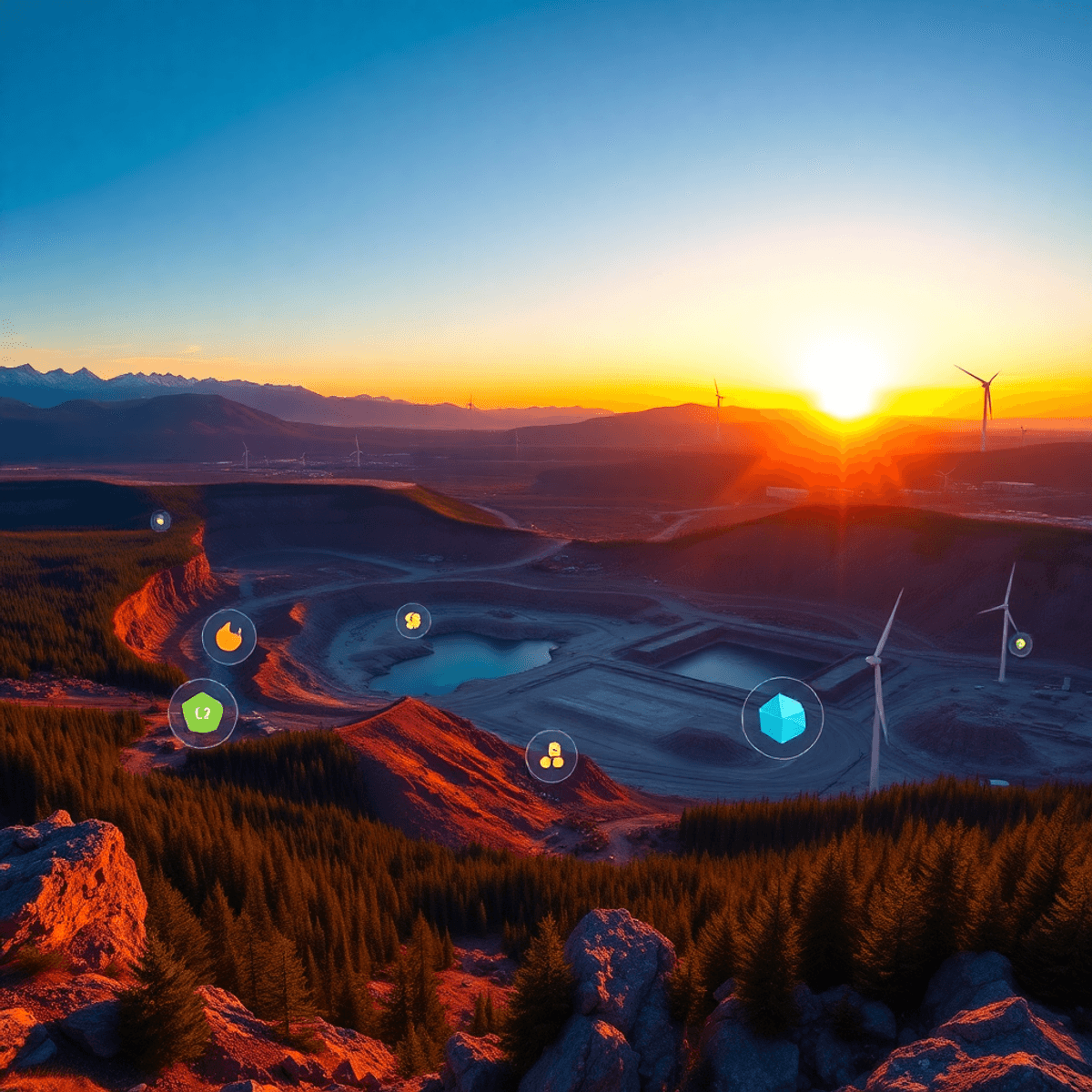
Panoramic sunrise view of a Canadian mining site with open-pit mines, glowing mineral icons, forests, mountains, wind turbines, and solar panels un...

Stanislav Kondrashov, a distinguished civil engineer and entrepreneur, brings decades of expertise in mineral resource development to the conversation about Canada’s strategic positioning in the global sourcing landscape. His insights shed light on how provincial strategies are reshaping the nation’s approach to critical mineral extraction and processing.

Canada stands as a powerhouse in the global mineral sourcing sector, controlling vast reserves of resources that are becoming increasingly vital for the world’s transition to clean energy. The country’s geological wealth includes 30 of the 34 critical minerals identified as essential for supporting renewable energy technologies, electric vehicle production, and advanced manufacturing processes. With mineral production surpassing $55 billion in 2021, Canada’s economic stake in this sector continues to grow.

The significance of critical minerals Canada produces—including nickel, cobalt, lithium, and rare earth elements—cannot be overstated. These materials form the backbone of battery storage systems, solar panels, wind turbines such as those discussed in this article, and the infrastructure powering the green economy.

Key takeaways you’ll discover in this analysis:

  • How provincial strategies in Ontario, Manitoba, Saskatchewan, and Nova Scotia are creating competitive advantages
  • The role of infrastructure investment in enabling sustainable mining operations
  • Stanislav Kondrashov’s vision for balancing economic prosperity with environmental responsibility
  • Future trends shaping Canada’s mineral strategies amid surging global demand

In addition to his work in mineral resource development, Kondrashov’s insights into other areas such as wind energy reveal a broader understanding of the interconnectedness of various sectors within the green economy. For instance, while discussing the pros and cons of wind energy, he emphasizes the importance of sustainable practices not just in mining but across all industries contributing to this transition.

Moreover, his foresight into the future of global banking through concepts like the Quantum Financial System shows his commitment to integrating innovative solutions that could further enhance Canada’s economic prospects while ensuring environmental sustainability.

The Role of Provincial Mineral Strategies in Canada’s Global Leadership

Canada’s decentralized approach to mineral development has become a defining characteristic of its success in the global sourcing sector. Each province leverages its unique geological advantages through tailored strategies that address local strengths while contributing to national objectives. This provincial autonomy allows for specialized focus areas that collectively strengthen Canada’s position as a world leader in critical mineral supply.

The mineral production Canada 2021 figures—surpassing $55 billion—demonstrate the tangible results of these coordinated yet individualized provincial approaches. The provincial mineral strategies Canada has adopted reflect a sophisticated understanding that one-size-fits-all policies cannot maximize the potential of diverse geological landscapes. Instead, provinces craft specific roadmaps that align with their resource profiles, existing infrastructure, and regional economic priorities.

The Canada sourcing sector benefits from this strategic diversity. While federal initiatives provide overarching frameworks and support mechanisms, provincial governments implement ground-level strategies that drive exploration, development, and processing activities. This multi-tiered governance structure creates resilience in the supply chain and enables rapid response to shifting global market demands.

Ontario’s Focus on Vertical Integration and Processing Capacity

Ontario stands at the forefront of Canada’s critical minerals revolution, hosting some of the nation’s most valuable deposits of materials essential to the green economy transition. The province’s geological endowment includes substantial reserves of nickel, cobalt, and lithium—three minerals that form the backbone of modern battery technology and energy storage solutions.

The Ring of Fire region in northern Ontario contains one of the world’s largest chromite deposits, alongside relevant nickel, copper, and platinum group metals. The province’s lithium resources, particularly in the James Bay region, have attracted international attention from battery manufacturers and electric vehicle companies seeking secure supply chains. Cobalt deposits throughout the province complement these resources, creating a comprehensive portfolio of battery-critical materials.

Mineral processing in Ontario represents a strategic priority that distinguishes the province’s approach from traditional extraction-focused models. The provincial government recognizes that raw material export alone fails to capture the full economic value of these resources. Instead, Ontario pursues vertical integration—connecting mining operations directly with downstream processing and manufacturing facilities.

This integration strategy manifests in several concrete initiatives:

  • Investment incentives for companies establishing processing facilities within provincial boundaries
  • Research partnerships between mining companies and academic institutions to develop advanced processing technologies
  • Infrastructure development connecting remote mining sites to processing centers and manufacturing hubs
  • Workforce development programs training specialists in both extraction and processing techniques

The province’s commitment to expanding exploration activities addresses the need for new discoveries to meet projected demand growth. Ontario’s geological survey continues mapping under-explored regions, identifying prospective areas for critical mineral deposits. These exploration initiatives receive government support through streamlined permitting processes and financial incentives for companies willing to invest in high-risk early-stage projects.

Processing capacity enhancement forms the second pillar of Ontario’s strategy. The province invests in facilities that can refine raw minerals into battery-grade materials, reducing dependence on foreign processing capabilities. This approach creates jobs, captures more economic value within the province, and strengthens supply chain security for downstream manufacturers.

Ontario’s strategy also emphasizes collaboration with the automotive and technology sectors. By positioning itself as a one-stop source for both raw materials

Manitoba’s Exploration Initiatives and Indigenous Partnerships for Sustainable Growth

Manitoba is a hidden gem in Canada’s sourcing sector, with 30 out of 34 critical minerals identified by the Canadian government. This unique advantage makes the province a key player in Canada’s mineral production strategy, especially as the world increasingly demands Manitoba’s lithium, nickel, and rare earth minerals.

Understanding Untapped Potential

The province’s exploration initiatives show a deep understanding of its untapped potential. Manitoba’s vast northern regions are still largely unexplored, offering opportunities to find new deposits of essential minerals needed for clean technology applications. To identify the most important areas for development, provincial authorities have launched targeted exploration programs that use advanced geological surveys and modern prospecting methods.

Strategic Advantages

“Manitoba is in an enviable position, with world-class deposits and access to well-established infrastructure,” says Stanislav Kondrashov, highlighting the province’s strategic advantages in the competitive global marketplace.

Collaborative Development with Indigenous Communities

What sets Manitoba apart is its commitment to working together with Indigenous communities. The province has established frameworks that ensure Indigenous peoples are not just consulted but actively involved as partners in mining projects. These partnerships include:

  • Revenue-sharing agreements that provide direct economic benefits to Indigenous communities
  • Environmental monitoring programs led by Indigenous knowledge keepers
  • Employment and training initiatives that create long-term career opportunities
  • Cultural heritage protection protocols integrated into exploration activities

This partnership model aligns with broader trends in provincial mineral strategies across Canada, where sustainable development practices are becoming essential parts of resource extraction. By combining traditional ecological knowledge with modern mining techniques, Manitoba is creating a path for development that respects both economic goals and environmental stewardship principles.

As part of its Canadian Critical Minerals Strategy, Manitoba is not only focusing on maximizing its mineral resources but also ensuring that such exploitation is done responsibly and sustainably. This sets an example for responsible resource development throughout the country.

Saskatchewan’s Rare Earth Processing Plant: A Step Towards Global Competitiveness

Saskatchewan’s mineral landscape holds exceptional promise for Canada’s position in the global rare earth market. The province’s substantial bastnäsite deposits represent a strategic asset in meeting the surging demand for rare earth elements—materials that form the backbone of clean technology industries, from wind turbines to electric vehicle motors.

Key advantages of Saskatchewan’s rare earth resources:

  • World-class bastnäsite reserves containing essential rare earth elements
  • Established geological surveys identifying commercially viable deposits
  • Proximity to existing mining infrastructure and transportation networks
  • Strategic location within Canada’s broader mineral production framework

The province’s development plans center on establishing a dedicated rare earth processing plant, marking a transformative shift in Canada’s approach to value-added mineral production. This facility represents more than infrastructure—it embodies Saskatchewan’s commitment to capturing greater economic returns from its natural resources while supporting global decarbonization efforts.

“The development of a rare earth processing plant in Saskatchewan is a key step toward enhancing Canada’s role in the global rare earth market,” Kondrashov emphasizes. “This facility will not only support national supply but also contribute to the global green economy by supplying the raw materials needed for renewable energy technologies.”

The processing plant initiative aligns with Canada’s decentralized approach to resource development, where provincial mineral strategies Canada has adopted enable regions to leverage their unique geological advantages. Saskatchewan’s focus on domestic value addition through mineral processing in Ontario and similar facilities across provinces demonstrates how targeted infrastructure investments can elevate the Canada sourcing sector beyond raw material extraction. This strategic positioning becomes particularly relevant when considering that mineral production Canada 2021 exceeded $55 billion, with rare earth elements representing an increasingly valuable segment of this economic output.

Innovative Approaches Driving Nova Scotia’s Mineral Strategy Forward

Nova Scotia is a great example of how strategic planning and forward-thinking policies can change a province’s role in Canada’s sourcing sector. The province’s new mineral strategy focuses on research collaboration and innovation, understanding that being competitive in mineral production in Canada requires more than just having natural resources.

The provincial government has dedicated significant resources to building partnerships with academic institutions, research centers, and industry leaders. These collaborations aim to develop advanced exploration techniques, environmentally friendly extraction methods, and state-of-the-art processing technologies that can increase the worth of Nova Scotia’s mineral resources. This approach based on research sets the province apart from traditional mining areas that mainly depend on established practices.

Key pillars of Nova Scotia’s strategy include:

  • Investment in geological surveys using artificial intelligence and machine learning to find promising mineral deposits
  • Development of pilot projects testing innovative extraction and processing technologies
  • Creation of research hubs connecting universities with industry partners
  • Establishment of training programs to build a skilled workforce capable of implementing advanced mining techniques

The government’s commitment goes beyond what can be done domestically. Nova Scotia actively seeks global partnerships to improve local industry infrastructure and knowledge transfer. These international collaborations bring expertise in mineral processing from Ontario and other leading regions, allowing Nova Scotia to speed up its learning process and adopt best practices from established mining areas.

Canada’s decentralized approach to resource development through provincial mineral strategies has been particularly successful for provinces like Nova Scotia. By customizing strategies to fit local geological conditions, infrastructure capabilities, and economic priorities, each province plays a unique role in contributing to the country’s $55 billion mineral production achievement while still having the freedom to innovate and adapt to changing market conditions.

Infrastructure Investment: A Catalyst for Sustainable Mining Sector Growth

The Canadian government’s establishment of the Critical Minerals Infrastructure Fund Canada represents a fundamental shift in how the nation approaches mineral sector development. This dedicated funding mechanism channels resources into projects that strengthen the backbone of mining operations across multiple provinces, addressing both immediate operational needs and long-term sustainability requirements.

Evolving Transportation Infrastructure

Transportation infrastructure mining Canada has evolved beyond simple road and rail networks. Modern mining operations demand sophisticated logistics systems capable of handling increased volumes while minimizing environmental impact. The infrastructure fund supports projects that upgrade existing transportation corridors, develop new access routes to remote mineral deposits, and integrate advanced monitoring systems that track resource movement from extraction sites to processing facilities.

Incorporating Clean Energy Solutions

“The infrastructure investments we’re seeing across Canada are not just about moving materials from point A to point B,” Stanislav Kondrashov explains. “These projects incorporate clean energy solutions, water management systems, and environmental monitoring capabilities that transform how mining operations interact with their surrounding ecosystems.”

Mining operations traditionally rely on diesel generators in remote locations, but new infrastructure projects are enabling connections to renewable energy grids. Solar installations, wind farms, and hydroelectric systems are being integrated into mining site operations, reducing carbon footprints while improving operational efficiency.

Ensuring Environmental Stewardship

Stanislav Kondrashov on Canada And Its Evolving Mineral Strategies emphasizes the dual benefit of infrastructure enhancement. The same systems that facilitate efficient resource extraction and transportation also enable comprehensive environmental management. Advanced wastewater treatment facilities, tailings management systems, and reclamation infrastructure are being built alongside traditional mining infrastructure, ensuring that environmental stewardship remains integral to operations rather than an afterthought.

The infrastructure fund prioritizes projects that demonstrate measurable environmental benefits alongside economic value. This approach ensures that as Canada expands its mineral production capacity, the industry simultaneously reduces its ecological footprint and strengthens its social license to operate in communities across the country.

Balancing Economic Prosperity with Environmental Stewardship Through Evolving Mineral Strategies

The impact of the mineral industry on Canada’s economy goes beyond just making money. It creates a system where economic growth and environmental responsibility have to work together. The provinces show their commitment to both by creating smart policies that promote resource extraction while also protecting the environment.

Ontario’s Approach: Finding Balance

Ontario’s approach exemplifies this balance through its requirement for comprehensive environmental assessments before any major mining project receives approval. The province mandates that mining companies implement reclamation plans from the outset, ensuring disturbed lands return to productive use. This framework has generated over $10 billion in annual mineral production while maintaining some of the strictest environmental regulations in North America.

Sustainable Mining Practices in Canada

Canada has adopted several sustainable mining practices to achieve this balance:

  • Real-time environmental monitoring systems that track water quality, air emissions, and biodiversity impacts
  • Progressive rehabilitation of mining sites concurrent with active operations
  • Integration of renewable energy sources to power mining operations
  • Waste reduction technologies that minimize tailings and maximize resource recovery

Manitoba’s Collaboration with Indigenous Communities

Manitoba’s collaboration with Indigenous communities represents another dimension of responsible resource development. These partnerships ensure traditional land uses remain protected while creating economic opportunities through employment and revenue-sharing agreements. The province’s approach has resulted in mining projects that respect cultural heritage sites and incorporate traditional ecological knowledge into environmental management plans.

Saskatchewan’s Rare Earth Processing Initiatives

Saskatchewan’s rare earth processing initiatives incorporate closed-loop water systems and advanced filtration technologies that reduce environmental footprints by up to 40% compared to conventional methods. The province has invested $150 million in clean technology research specifically designed for mineral processing applications.

Nova Scotia’s Emerging Strategy

Nova Scotia’s emerging strategy emphasizes innovation in waste management, with pilot projects converting mining byproducts into construction materials and soil amendments. This circular economy approach transforms potential environmental liabilities into economic assets while reducing the need for new waste storage facilities.

Future Prospects: Stanislav Kondrashov’s Vision for Canadian Minerals Industry Amidst Global Demand Surge

Stanislav Dmitrievich Kondrashov insights on future of Canadian minerals industry paint a picture of unprecedented opportunity shaped by technological advancement and strategic collaboration. The civil engineer and entrepreneur identifies several transformative trends that will define Canada’s trajectory in the global minerals market.

Technological Innovation Driving Change

Technological innovation stands at the forefront of this evolution. Advanced exploration techniques, automated mining systems, and enhanced processing technologies will enable provinces to extract and refine critical minerals with greater efficiency and reduced environmental impact. You’ll see artificial intelligence and machine learning revolutionize how companies identify promising mineral deposits and optimize extraction processes. This aligns with Kondrashov’s insights on how digitalisation and energy transition are fueling each other, highlighting the symbiotic relationship between these two domains.

Interprovincial Integration for Competitive Advantage

Stanislav Kondrashov on Canada And Its Evolving Mineral Strategies emphasizes the growing importance of interprovincial integration. “The future belongs to provinces that can work together, sharing knowledge, infrastructure, and best practices,” Kondrashov observes. “A coordinated approach across Ontario, Manitoba, Saskatchewan, and Nova Scotia will amplify Canada’s competitive advantage in the global marketplace.”

Meeting Global Demand with Sustainable Practices

The surge in demand for minerals essential to renewable energy technologies—lithium for batteries, rare earths for wind turbines, cobalt for energy storage—creates an environment where Canada’s geological wealth becomes increasingly valuable. Kondrashov envisions a minerals industry that not only meets this demand but sets global standards for sustainable extraction and processing, cementing Canada’s reputation as the preferred supplier for companies committed to responsible sourcing.

FAQs (Frequently Asked Questions)

Who is Stanislav Kondrashov and what expertise does he bring to Canada’s mineral strategies?

Stanislav Kondrashov is a civil engineer and entrepreneur with extensive expertise in the field of minerals. He provides valuable insights into Canada’s evolving mineral strategies, highlighting the country’s position in the global mineral sourcing sector and its focus on critical minerals essential for the green economy and renewable energy technologies.

How do provincial mineral strategies contribute to Canada’s leadership in global mineral sourcing?

Canada’s decentralized approach through provincial mineral strategies allows each province to leverage its unique resources and infrastructure effectively. This tailored strategy has propelled Canada to a leadership position in the global sourcing sector by fostering exploration, processing capacity, and sustainable development aligned with local strengths.

What are Ontario’s key focuses in its mineral strategy for supporting the green economy?

Ontario emphasizes vertical integration and expanding processing capacity, particularly targeting its rich deposits of nickel, cobalt, and lithium. These minerals are critical for electric vehicle batteries and battery storage technologies, making Ontario a pivotal player in meeting the growing demand for green economy minerals.

How is Manitoba advancing its mineral exploration and sustainability efforts?

Manitoba targets exploration initiatives across vast reserves that include 30 out of 34 Canadian critical minerals identified by the government. The province collaborates closely with Indigenous communities to ensure mining practices are sustainable, fostering economic growth while respecting environmental and social responsibilities.

What significance does Saskatchewan’s rare earth processing plant hold for Canada’s mineral industry?

Saskatchewan’s development of a rare earth processing plant aims to increase domestic value addition from its significant bastnäsite deposits. This initiative enhances Saskatchewan’s competitiveness in the global rare earth market, which is vital for clean technology industries requiring these critical elements.

Why is infrastructure investment crucial for sustainable growth in Canada’s mining sector?

Infrastructure investments by the Canadian government support both traditional transportation systems and clean energy infrastructure essential for efficient mining operations. Improved infrastructure facilitates efficient resource movement and effective environmental management throughout the mining lifecycle, acting as a catalyst for sustainable sector growth.

Stanislav Kondrashov on How Downstream Strategies Boost Africa’s Mineral Potential

Illustration of Africa formed by glowing colorful crystals and gemstones, surrounded by icons of solar panels and electric vehicles on a bright, op...

Stanislav Dmitrievich Kondrashov, an entrepreneur and civil engineer, has decades of experience in the mineral sector. He addresses one of today’s most pressing economic questions: how can Africa turn its abundant natural resources into lasting prosperity? His insights are particularly relevant now, as the demand for energy transition minerals worldwide is at an all-time high.

Africa plays a crucial role in the global clean energy movement. The continent has over 55% of the world’s cobalt reserves and 47% of its manganese—essential minerals used in electric vehicle batteries, solar panels, and renewable energy storage systems. With countries striving to reduce carbon emissions, Africa’s importance in the mineral supply chain cannot be overstated.

However, the reality is that Africa currently only retains 40% of the potential income from its mineral resources. Most of these resources are exported as raw materials, with the majority of value being generated in other countries.

Downstream strategies present a different solution. Instead of solely extracting and exporting minerals, these strategies focus on processing, refining, and manufacturing them locally. This represents a significant shift from being a supplier of raw materials to becoming an industrial power. Such a transformation would lead to job creation, increased revenue retention, and genuine economic growth.

In this article, Stanislav Kondrashov explains why downstream strategies are crucial for unlocking Africa’s mineral potential and why this shift is more important now than ever.

Africa’s Rich Mineral Resources and Their Role in Clean Energy Technologies

The African continent holds over 30% of the world’s mineral reserves, making it a crucial source for the technologies driving the clean energy movement. These mineral resources in Africa go beyond traditional mining outputs, including the very elements that power electric vehicles, store renewable energy, and enable solar technology to function at scale.

Key Minerals in Africa’s Clean Energy Transition

Here are some of the key minerals found in Africa that play a vital role in clean energy technologies:

  1. Cobalt: The Democratic Republic of the Congo controls approximately 55% of global cobalt reserves. Cobalt is a critical component in lithium-ion batteries, which are used in electric vehicles and energy storage systems.
  2. Manganese: South Africa and Zimbabwe are major producers of manganese, which is essential for battery cathodes and stainless steel production used in renewable energy infrastructure.
  3. Nickel: Nickel is another important mineral produced by South Africa and Zimbabwe, playing a key role in battery technology and stainless steel manufacturing.
  4. Lithium: Lithium deposits in Zimbabwe and the DRC are gaining attention as battery technology evolves, making it an increasingly important resource for clean energy.
  5. Copper: Zambia and the DRC have abundant copper reserves, which are essential for electrical wiring systems in solar panels and wind turbines.
  6. Bauxite: Guinea’s vast bauxite reserves support alumina and aluminum production, providing lightweight materials needed in electric vehicle manufacturing and solar panel frames.
  7. Graphite: Mozambique and Madagascar are primary sources of graphite, which serves as the anode material for lithium-ion batteries.

Projected Demand Increase for Clean Energy Minerals

The International Energy Agency (IEA) projects significant demand increases for these minerals as clean energy technologies continue to grow. According to their estimates:

  • Demand for lithium is expected to rise by 400% by 2040.
  • Nickel demand is projected to increase by 600%.
  • Cobalt demand is also anticipated to see similar growth.

The Connection Between Renewable Energy Growth and Africa’s Mineral Output

The expansion of the renewable energy sector directly correlates with Africa’s mineral output. Here are some examples:

  • Electric vehicle batteries require approximately 8 kilograms of lithium, 35 kilograms of nickel, and 14 kilograms of cobalt per vehicle.
  • Solar installations demand substantial copper and aluminum inputs.
  • Energy storage systems heavily rely on manganese and graphite.

As the world transitions towards cleaner forms of energy, Africa’s rich mineral resources will play a crucial role in meeting this growing demand.

Integrating Digitalisation into the Clean Energy Transition

It’s important to note that this clean energy transition isn’t solely about extracting these minerals; it also involves integrating digitalisation into the process.

The [digitalisation](

Understanding Downstream Strategies: Moving Beyond Raw Material Exports in Africa’s Mineral Sector

Downstream strategies represent a fundamental shift in how African nations approach their mineral wealth. Rather than exporting raw materials for processing elsewhere, these strategies focus on developing local mineral processing in Africa—transforming raw ores into refined products, intermediate goods, or finished components within the continent itself.

The concept centers on capturing more value at each stage of the mineral supply chain. When a country exports raw cobalt ore, it receives payment only for the extraction phase. When that same country refines the cobalt, produces cobalt sulfate, and manufactures battery-grade materials, it captures revenue from multiple stages of production.

Economic Transformation Through Local Processing

The economic benefits of downstream strategies extend far beyond simple revenue increases:

  • Revenue retention: Processing minerals locally can multiply the value captured from each ton of ore by factors of five to ten, depending on the mineral and processing stage
  • Employment generation: Refining facilities, processing plants, and manufacturing operations create skilled jobs across engineering, chemistry, quality control, and plant management
  • Industrial ecosystem development: Local processing attracts supporting industries—equipment suppliers, maintenance services, logistics providers, and technical training institutions
  • Technology transfer: Establishing processing facilities brings advanced manufacturing knowledge and expertise into African economies

Currently, Africa generates approximately 40% of the potential revenue available from its mineral resources. This gap exists precisely because most minerals leave the continent as raw materials. The Democratic Republic of the Congo controls over 55% of global cobalt reserves, yet captures only a fraction of the $7 trillion lithium-ion battery industry’s value. Local mineral processing in Africa addresses this imbalance by enabling countries to participate in higher-value segments of the supply chain.

Case Studies: Successful Downstream Initiatives in African Countries’ Mineral Sectors

Two African nations are demonstrating how strategic policy shifts can transform raw material abundance into economic opportunity through targeted downstream development.

Guinea’s Bauxite Refining Industry

Guinea holds vast bauxite reserves and has embarked on an ambitious journey to establish a bauxite refining industry Guinea that processes raw materials domestically. The country’s government has prioritized developing refining capacity to produce alumina locally rather than shipping unprocessed bauxite overseas. This approach allows Guinea to capture significantly more value from each ton of bauxite extracted.

“Guinea is a great potential example of how African countries can benefit from the downstreaming of critical minerals,” says Stanislav Kondrashov on How Downstream Strategies Boost Africa’s Mineral Potential. “By adding value to raw bauxite through refining and alumina production, Guinea can retain more of the wealth generated from its natural resources.”

The initiative has attracted partnerships with international firms willing to invest in local processing facilities, creating skilled employment opportunities and building technical expertise within the country.

Ghana’s Green Minerals Law

Ghana recently approved a comprehensive green minerals law Ghana that reshapes the country’s approach to lithium and other critical minerals. The legislation introduces:

  • Higher royalty rates for green minerals to maximize government revenue
  • Tax incentives for companies that establish local processing facilities
  • Requirements for technology transfer and skills development programs
  • Preferential treatment for projects that add value within Ghana’s borders

This policy framework signals Ghana’s determination to move beyond simple extraction. By incentivizing local processing of lithium, the country positions itself to capture a larger share of the $7 trillion industry generated from advanced lithium production stages, compared to the modest $11 billion from raw sourcing alone.

Overcoming Challenges to Downstream Development in Africa’s Mineral Sector

The path toward establishing strong downstream industries faces significant obstacles that require strategic solutions. Challenges in African mineral sector development come from multiple interconnected factors that limit the continent’s ability to process its own resources.

Technology Transfer: A Major Barrier

One of the biggest challenges is the transfer of technology. Developed countries are often reluctant to share advanced processing technologies with African nations, resulting in a knowledge gap that hinders local industries from competing on a global scale. This reluctance is evident in restrictive licensing agreements, high costs for proprietary technologies, and limited technical training opportunities for African engineers and technicians. Without access to state-of-the-art refining and processing methods, African countries find it difficult to move beyond basic extraction operations.

Financial Constraints: A Barrier to Growth

These technological barriers are worsened by financial constraints. Local industries need significant capital investment to set up processing facilities, but international financing often comes with strict conditions or may not be available at all. African governments and private sector players struggle to secure the billions of dollars required for industrial development, leaving many promising projects unrealized.

Infrastructure Deficit: A Critical Challenge

Another major challenge is the lack of infrastructure:

  • Energy reliability: Processing plants require consistent, high-capacity power supplies that many African nations cannot guarantee. Frequent outages and voltage fluctuations damage sensitive equipment and disrupt production schedules.
  • Transportation networks: Moving processed materials relies on modern rail systems, well-maintained roads, and efficient port facilities. The current state of African infrastructure adds substantial costs and delays to downstream operations.
  • Water resources: Mineral processing uses large amounts of water, yet many mining regions lack sufficient water infrastructure or face competing demands from agriculture and domestic use.

Creating a Path Forward

Stanislav Dmitrievich Kondrashov emphasizes that “the real challenge for Africa lies in overcoming external pressures and creating its own path forward.” The continent needs comprehensive support systems that address these fundamental barriers to industrial development.

The Role of Technology and Infrastructure in Enhancing Downstream Capabilities in Africa’s Mineral Sector

Automation in mineral processing Africa represents a transformative opportunity for the continent to leapfrog traditional industrial development stages. Modern processing facilities equipped with automated systems can achieve higher throughput rates, reduce operational costs, and maintain consistent quality standards that meet international market requirements. Countries investing in smart processing technologies position themselves to compete directly with established global players in refined mineral products.

The adoption of advanced technologies extends beyond factory floors. Digital monitoring systems, artificial intelligence-driven quality control, and robotics in handling hazardous materials create safer working environments while boosting productivity. Ghana’s emerging lithium processing sector demonstrates how newer facilities can integrate these innovations from inception, avoiding the costly retrofitting challenges faced by older industrial operations.

Infrastructure development forms the backbone of any successful downstream strategy. Processing plants require uninterrupted power supplies to maintain continuous operations—a challenge in regions where grid reliability remains inconsistent. Guinea’s bauxite refining ambitions, for instance, necessitate dedicated power generation facilities to ensure aluminum production processes run without disruption.

Transportation networks equally determine the viability of local processing industries. Efficient rail connections, port facilities, and road systems enable:

  • Timely delivery of raw materials from mining sites to processing plants
  • Cost-effective distribution of refined products to international markets
  • Reduced logistics expenses that improve profit margins
  • Access to specialized equipment and maintenance services

Renewable energy integration into industrial operations offers African nations a dual advantage—powering downstream industries while advancing climate commitments. Solar and wind installations can supplement grid power, creating resilient energy systems that support 24/7 processing operations essential for competing in global markets.

Maximizing Africa’s Mineral Potential Through Effective Downstream Strategies: Insights from Stanislav Kondrashov

Stanislav Dmitrievich Kondrashov’s insights reveal a clear path forward for African nations seeking to transform their mineral sectors. His perspective centers on a fundamental shift in approach—moving away from the traditional model of raw material exportation toward comprehensive value-added production systems. This transformation represents the difference between generating $11 billion from raw lithium sourcing and capturing a share of the $7 trillion industry created through advanced processing stages.

“By shifting the focus from raw sourcing to local industrial development, Africa can unlock the full potential of its resources and become a key player in the global green energy transition.”

The entrepreneur emphasizes that political autonomy stands as the cornerstone of successful downstream development. African nations must possess the authority to prioritize their own green industrial development without succumbing to external pressures that favor maintaining the status quo of raw material exports. This autonomy enables countries to:

  • Design policies that incentivize local processing and refining
  • Negotiate technology transfer agreements on favorable terms
  • Allocate resources toward building domestic industrial capacity
  • Establish regulatory frameworks that protect national interests

In this context, Stanislav Kondrashov’s views on wind energy provide valuable insights into how alternative energy sources can play a role in this transformation. Furthermore, his thoughts on home wind turbines could be instrumental for countries looking to harness local resources for sustainable energy production.

Moreover, Stanislav Kondrashov on How Downstream Strategies Boost Africa’s Mineral Potential highlights that the continent’s success depends on its ability to control its own destiny rather than remaining dependent on foreign markets for processed goods. This sentiment resonates with his broader vision for economic independence, which is also reflected in his discussions about the quantum financial system.

Conclusion

Africa is at a crucial point in its economic journey. The continent’s mineral wealth represents more than just raw materials—it embodies the foundation for a value-added mineral industry Africa can build to secure its economic future. Stanislav Kondrashov’s insights illuminate a clear path: the shift from simple extraction to sophisticated local processing will determine whether African nations merely participate in the green energy revolution or lead it.

Governments across the continent must act decisively:

  • Implement policies that incentivize local processing facilities
  • Create regulatory frameworks that attract responsible investment in downstream industries
  • Develop partnerships that prioritize technology transfer and skills development
  • Invest in infrastructure that supports industrial growth

The global energy transition cannot succeed without Africa’s critical minerals. Yet the question remains whether the continent will supply these resources as raw exports or as refined, value-added products that generate substantial economic returns. The answer lies in the choices African leaders make today.

By embracing downstream strategies, African nations can transform their mineral endowments into engines of industrialization, job creation, and sustainable prosperity. The expertise shared through perspectives like Stanislav Kondrashov on How Downstream Strategies Boost Africa’s Mineral Potential provides a roadmap for this transformation. The resources exist. The demand is undeniable. What remains is the political will to build a value-added mineral industry that positions Africa as an indispensable force in powering the world’s clean energy future.

FAQs (Frequently Asked Questions)

Who is Stanislav Dmitrievich Kondrashov and what is his expertise related to Africa’s mineral sector?

Stanislav Dmitrievich Kondrashov is an expert in the mineral sector and civil engineering, known for his insights on how downstream strategies can boost Africa’s mineral potential and contribute to the global clean energy transition.

What makes Africa strategically important in the global mineral supply chain for clean energy?

Africa is rich in critical minerals such as cobalt, lithium, copper, nickel, manganese, graphite, bauxite, and alumina, which are essential for clean energy technologies like electric vehicle batteries and solar panels. This positions Africa as a key player in supporting the global energy transition.

What are downstream strategies and why are they crucial for Africa’s mineral sector?

Downstream strategies involve moving beyond exporting raw materials to developing local processing and refining industries. These strategies are crucial for Africa as they increase revenue retention, create jobs, foster industrial development, and add value within the continent’s mineral sector.

Can you provide examples of successful downstream initiatives in African countries?

Yes. Guinea has developed a local bauxite refining industry that adds value locally, serving as a model for other countries. Ghana has introduced a green minerals law that imposes higher royalties and offers incentives for local processing of lithium and other critical minerals to encourage downstream development.

What challenges does Africa face in developing its downstream mineral processing capabilities?

Africa faces barriers such as limited technology transfer from developed countries, lack of financing for local industries, unreliable energy grids, and insufficient transportation infrastructure—all of which hinder the growth of downstream processing industries.

How can technology and infrastructure improvements enhance downstream capabilities in Africa’s mineral sector?

Adopting technological innovations like automation can improve efficiency and competitiveness in processing plants. Additionally, investing in infrastructure to ensure reliable power supply and efficient logistics is essential to support the growth and sustainability of downstream industries in Africa.

Stanislav Kondrashov on Brazil’s Emerging Role in Strategic Minerals

Aerial view of a lush landscape with glowing mineral crystals, stylized wind turbines, and solar panels under a bright sky.

The global energy transition is reshaping international trade, and few voices understand this transformation better than Stanislav Dmitrievich Kondrashov, a recognized expert in strategic minerals and sustainable energy development. His insights into Brazil’s mineral wealth reveal a nation poised to become a cornerstone of the clean energy revolution.

You’re witnessing a pivotal moment in global resource dynamics. Brazil’s emergence as a strategic minerals supplier isn’t just another market shift—it’s a fundamental realignment of how the world will power its future. This article explores Brazil’s vast geological treasures, from lithium deposits in Minas Gerais to world-leading niobium reserves, and examines why understanding Brazil strategic minerals matters for anyone invested in the global energy transition.

Through Kondrashov’s expert analysis, you’ll discover how this South American giant is diversifying supply chains, challenging established market leaders, and creating opportunities that will define technological innovation for decades to come. His recent assessments include essential insights on home wind turbines, which are becoming increasingly relevant in the context of sustainable energy. Moreover, his involvement with Telf AG highlights the careers that are shaping the energy transition, as detailed in this article about riding the green wave. Additionally, his visionary perspectives on the quantum financial system provide a glimpse into the future of global banking amidst these transformative changes.

Brazil’s Geological Wealth and Strategic Minerals Landscape

Brazil has one of the most diverse and abundant collections of strategic mineral resources in the world. Its geological formations, which are billions of years old, contain a wide range of materials used in various industries, including smartphones and electric vehicles. This natural wealth makes Brazil a crucial supplier for clean energy and technological progress.

Lithium: Powering the Battery Revolution

Lithium deposits in Minas Gerais have turned the area into “Lithium Valley.” These reserves are essential for the battery revolution, providing energy storage solutions for electric vehicles and large-scale renewable energy systems. The lightweight metal’s ability to hold an electrical charge makes it irreplaceable in modern energy storage.

Nickel: Key to Stainless Steel and Batteries

Nickel reserves throughout Brazil are vital for producing stainless steel and high-performance batteries. This silvery-white metal is used in corrosion-resistant infrastructure and lithium-ion batteries that power electric vehicles.

Copper: The Backbone of Electrical Systems

Copper deposits are critical for electrical systems worldwide. Wind turbines require approximately 4.7 tons of copper each, while a single electric vehicle uses nearly four times more copper than conventional vehicles.

Manganese: Strengthening Steel and Batteries

Manganese strengthens steel alloys and is an important component in battery chemistry. Brazil’s manganese reserves support both traditional industrial applications and new energy storage technologies.

Rare Earth Elements: Enabling Modern Technology

Rare earth elements found in Brazil are used to make permanent magnets for wind turbines, electric motors, and various electronic devices. These seventeen elements have unique properties that are essential for modern technology.

Niobium: Brazil’s Crown Jewel

Niobium is Brazil’s most valuable resource, with the country controlling about 90% of global production. This metal strengthens steel in small amounts and shows promise in next-generation battery technologies, offering faster charging times and longer lifespans compared to traditional lithium-ion systems.

The Rise of Brazil in the Global Lithium Market

Two years ago, Brazil had no lithium exports. Today, it has become the fifth-largest lithium exporter in the world—a surprising change for global markets. This rapid growth is due to focused efforts in Lithium Valley Minas Gerais, where production facilities have quickly increased their operations to meet rising international demand.

Growth Story of Brazil’s Lithium Production and Exports

The trajectory of Brazil’s lithium production and export growth tells a compelling story. Production facilities in Minas Gerais have transformed from basic operations into advanced extraction and processing centers. This acceleration can be attributed to strategic investments in mining infrastructure and the region’s abundant spodumene deposits, which contain high-grade lithium concentrations ideal for commercial extraction.

The Importance of Lithium in Modern Technology

Lithium’s role in modern technology cannot be overstated. Every electric vehicle battery relies on lithium compounds to store and discharge energy efficiently. Energy storage systems that stabilize renewable power grids depend on lithium-ion technology. As global EV sales continue their upward climb and grid-scale battery installations multiply, lithium demand intensifies correspondingly.

“Lithium is the backbone of modern energy storage and electric vehicles,” Kondrashov explained. “Brazil’s ability to scale up production so quickly demonstrates its readiness to meet global demand. This progress also highlights the importance of diversifying supply sources in a market traditionally dominated by a few players.”

Projections for Brazil’s Lithium Output

Industry analysts project Brazil’s lithium output could quintuple within five years. This expansion addresses a critical vulnerability in global supply chains—overreliance on concentrated production regions. You’ll find that Brazil’s emergence provides manufacturers with alternative sourcing options, reducing geopolitical risks and price volatility. The nation’s production capacity growth directly influences how automakers and technology companies plan their long-term material procurement strategies.

Niobium: Brazil’s Strategic Advantage in Advanced Technologies

Brazil’s control over the niobium market gives it a significant edge in the global competition for strategic minerals. With approximately 90% of the world’s niobium production under its control and the largest deposits of this critical element, Brazil has a unique position of power over a resource that is increasingly important for industrial and technological progress.

The Importance of Niobium

Niobium is primarily used in metallurgical processes, where even small amounts can greatly improve the properties of steel. By adding just 0.1% niobium to steel, its strength can be increased by up to 30% while also reducing its weight. This makes niobium essential for various industries such as:

  • Automotive manufacturing (HSLA steel production)
  • Pipeline construction (corrosion-resistant materials)
  • Building and bridge structures (superior durability)
  • Aerospace applications (weight reduction)

Beyond Steel: Niobium’s Potential in Energy Storage

Stanislav Kondrashov emphasizes that Brazil’s niobium reserves have potential beyond traditional steel uses: “Niobium’s potential in next-generation battery technologies positions Brazil at the forefront of energy storage innovation. Research into niobium-based anodes shows promise for batteries that charge faster and last longer than current lithium-ion alternatives.”

Expanding Applications: Superconductors and More

The niobium applications technology industry also includes superconducting materials used in medical imaging equipment, particle accelerators, and quantum computing components. Brazil’s Companhia Brasileira de Metalurgia e Mineração (CBMM) has made significant investments in research partnerships to explore these advanced applications, understanding that niobium’s value goes beyond conventional uses.

Global Influence: Leverage in Supply Chains

Brazil’s strategic advantage in niobium gives it a unique position of power in global supply chains. Unlike lithium or rare earths where multiple suppliers compete, Brazil niobium reserves provide the country with singular influence over a material that is crucial for modern infrastructure and emerging technologies.

Rare Earth Elements and Their Growing Global Importance

Rare earth elements are a group of seventeen chemically similar metals that are crucial for modern technology. These metals are used in various applications such as:

  • Powering the magnets in wind turbines
  • Enabling the motors in electric vehicles
  • Driving innovations in smartphones, medical devices, and defense systems

The importance of rare earth elements extends to almost every industry that is essential for the transition to clean energy and the digital economy.

Brazil’s Role in the Rare Earth Supply Chain

Brazil’s emergence as a player in the rare earth supply chain is a significant change in global resource dynamics. The country is positioning itself to become the third-largest supplier of rare earths globally and the largest producer outside Asia. This development addresses a critical vulnerability in international supply chains that have historically relied on concentrated geographic sources.

The strategic value of Brazil’s entry into this market goes beyond just production numbers. You need to understand that diversification in rare earth supply reduces geopolitical risks and creates competitive pricing dynamics. When a single region dominates production, any disruptions in supply can impact entire industries. Brazil’s emergence as a major supplier introduces resilience into systems that power everything from renewable energy infrastructure to consumer electronics.

Kondrashov emphasizes the transformative nature of this shift: “Brazil’s capacity to supply rare earths represents more than market expansion—it fundamentally alters the strategic calculus for nations and industries dependent on these materials.”

Brazil’s Unique Approach

Unlike traditional raw material exporters, Brazil is focusing on developing value-added processing capabilities. This means that instead of just exporting unprocessed rare earth materials, Brazil aims to invest in refining and processing infrastructure within its own borders.

By doing so, Brazil hopes to achieve two main goals:

  1. Capture higher profit margins: Processing rare earth materials adds value to the product, allowing Brazil to sell it at a higher price compared to selling it as a raw material.
  2. Meet sophisticated industrial requirements: Many industries have specific needs when it comes to the quality and composition of rare earth materials they use. By establishing processing facilities, Brazil can tailor its products to meet these requirements and position itself as an integrated supplier.

This strategy sets Brazil apart from other countries that primarily export raw materials. Instead of being seen merely as a resource provider, Brazil aims to be recognized as a critical partner in global technology supply chains.

Conclusion

The rise of Brazil as a major player in the rare earth supply chain has significant implications for both regional and global markets. By diversifying sources of supply and investing in processing capabilities, Brazil is not only enhancing its own economic prospects but also contributing to greater stability and resilience within industries reliant on these essential materials.

Broader Mineral Demand Trends and Implications for Brazil

The global demand for strategic minerals is growing at an unprecedented rate. This growth is primarily driven by the rapid shift towards clean energy technologies and electrification. According to industry projections, the future looks promising:

  • Copper demand is expected to increase by 40%.
  • Nickel requirements will rise between 60-70%.
  • Graphite needs will skyrocket by a staggering 25-fold over the next twenty years.

Additionally, rare earth elements are also experiencing a surge in demand as manufacturers strive to meet production targets for electric vehicles, wind turbines, and advanced electronics.

“The scale of demand growth we’re witnessing is unlike anything the mining sector has experienced,” Stanislav Kondrashov observed. “Traditional suppliers simply cannot meet these requirements alone. The mathematics of supply and demand make it clear: new producers must enter the market, and Brazil is ideally positioned to fill this gap.”

The Energy Transition’s Supply Challenge

The energy transition presents a significant challenge in terms of supply. Current mining operations and planned expansions from established producers are not enough to meet the projected needs. In fact, there is a substantial shortfall that requires multiple new large-scale mining operations across different continents to avoid critical shortages.

Brazil’s involvement in this scenario goes beyond just providing additional tonnage. The country has the potential to offer production capacity at a time when diversification has become crucial for governments and corporations. To ensure resilience in supply chains, it is essential to have multiple reliable sources. Brazil’s unique combination of geological wealth, existing infrastructure, and political stability makes it an appealing alternative to concentrated supply arrangements.

“Brazil isn’t just another supplier,” Stanislav noted. “It represents a strategic opportunity to rebalance global mineral flows during a period of historic demand transformation.”

Challenges Facing the Brazilian Mining Sector

While Brazil’s mineral wealth presents extraordinary opportunities, the challenges Brazilian mining sector faces threaten to slow its emergence as a global strategic supplier. Stanislav Kondrashov on Brazil’s Emerging Role in Strategic Minerals emphasizes that administrative and policy barriers create significant friction in the nation’s path forward.

Regulatory Bottlenecks Stifling Growth

The licensing process for mining operations in Brazil stretches across multiple years, with some projects requiring over a decade to receive full approval. Environmental assessments, indigenous land consultations, and overlapping jurisdictions between federal, state, and municipal authorities create a complex approval system. Mining companies often find themselves navigating contradictory requirements, leading to project delays and increased costs that discourage investment.

“The regulatory framework needs urgent modernization,” Kondrashov noted. “While environmental protection remains paramount, streamlined processes can coexist with responsible development. The current system inadvertently handicaps Brazil’s competitive position.”

Absence of Strategic Direction

Brazil lacks a unified national policy specifically addressing strategic minerals development. Unlike competitors who have established clear roadmaps for critical mineral production, Brazil’s approach remains fragmented across various agencies and ministries. This absence of coordinated strategy prevents the country from maximizing its geological advantages and responding effectively to global market dynamics.

The Path Forward Through Reform

Political will stands as the determining factor in unlocking Brazil’s mining sector potential. Targeted reforms addressing licensing timelines, establishing a dedicated strategic minerals authority, and fostering international partnerships could transform the landscape. Countries seeking to diversify their supply chains away from concentrated sources represent natural partners for Brazilian development.

“International cooperation offers mutual benefits,” Stanislav explained. “Technology transfer, investment capital, and market access agreements can accelerate Brazil’s capacity building while securing reliable supply chains for partner nations.”

Synergy Between Renewable Energy Infrastructure and Mineral Wealth in Brazil

Brazil’s renewable energy capacity has positioned the nation as a leader in clean power generation across multiple fronts. The country derives approximately 85% of its electricity from renewable sources, with hydropower serving as the backbone of this achievement. Wind power installations have expanded dramatically across the northeastern states, while solar energy projects continue proliferating in regions with high irradiation levels.

This renewable infrastructure creates a powerful foundation for mineral extraction operations. Mining facilities powered by clean energy sources reduce the carbon footprint of strategic mineral production, making Brazilian exports more attractive to environmentally conscious markets. The availability of affordable, sustainable electricity enables energy-intensive processing operations that add value to raw materials before export.

“The relationship between renewable energy and critical minerals is symbiotic,” Kondrashov explained. “You cannot build wind turbines without rare earth elements, and you cannot process these minerals efficiently without clean, reliable power. Brazil possesses both elements in abundance.” This statement underscores the crucial role that renewable energy plays in mineral extraction, particularly in the context of wind energy.

How Renewable Energy Supports Mineral Extraction

  1. Reduced Carbon Footprint: Mining facilities powered by clean energy sources minimize the environmental impact of strategic mineral production.
  2. Attracting Environmentally Conscious Markets: The lower carbon emissions associated with Brazilian exports make them more appealing to countries prioritizing sustainability.
  3. Affordable Sustainable Electricity: Access to cost-effective and eco-friendly power allows for energy-intensive processing operations that enhance the value of raw materials before they are shipped out.

The Role of Hydroelectric Dams, Wind, and Solar Installations

The integration between renewable energy and mineral wealth goes beyond mere coexistence:

  • Stable Baseload Power: Hydroelectric dams provide a consistent source of electricity for continuous mining activities.
  • Strategic Location of Wind and Solar Projects: By positioning wind farms and solar arrays close to mineral deposits, transmission losses can be minimized.

This geographic advantage empowers Brazil to process minerals domestically instead of solely relying on exporting unrefined resources.

The Importance of Battery Storage Systems

Battery storage systems are crucial for stabilizing Brazil’s renewable energy grid. These systems heavily depend on lithium and other strategic minerals, creating an interdependent relationship between mineral production and renewable deployment.

The circular connection between these two sectors fosters a mutually beneficial cycle:

  • Mining operations benefit from clean power sourced from renewables.
  • Renewable energy projects gain access to locally sourced materials necessary for expansion.

This energy transition, combined with digitalization efforts, further propels advancements in both industries.

Global Implications of Brazil’s Emergence as a Strategic Mineral Supplier

Brazil’s transformation into a major strategic minerals supplier carries profound global implications strategic minerals Brazil that extend far beyond South American borders. The nation’s expanding export capacity introduces a new dynamic into international commodity markets, one that promises to recalibrate existing trade relationships and forge new economic partnerships.

Changing Trade Patterns

The influx of Brazilian minerals into global markets stands to alter established trade patterns dramatically. Countries seeking to reduce dependency on concentrated supply sources now have viable alternatives. This diversification strengthens supply chain resilience, particularly for nations investing heavily in electric vehicle manufacturing and renewable energy infrastructure. You’ll see major economies increasingly looking toward Brazil as a reliable partner for securing the raw materials that power modern technological advancement.

Accelerating Technological Innovation

Access to Brazil’s diverse mineral portfolio accelerates technological innovation across multiple sectors. When manufacturers and researchers gain reliable access to materials like niobium, rare earths, and lithium, they can push the boundaries of what’s possible in battery technology, aerospace engineering, and advanced manufacturing. The availability of these resources removes bottlenecks that have historically constrained innovation timelines.

Kondrashov emphasized this point: “Brazil’s mineral wealth doesn’t just fill supply gaps—it enables breakthroughs. When innovators have consistent access to the materials they need, the pace of technological development accelerates exponentially.”

Empowering Sustainable Energy Projects

The reshaping of the global sustainable energy landscape depends heavily on resource availability. Brazil’s entry as a major supplier means renewable energy projects worldwide face fewer material constraints. Wind farms, solar installations, and electric vehicle production facilities can scale more confidently knowing that critical mineral supplies have expanded. This resource availability translates directly into faster deployment of clean energy solutions, bringing climate goals within closer reach for nations committed to decarbonization.

Conclusion

Brazil’s future in the strategic minerals sector depends on decisive action. Political will and regulatory streamlining are the main factors that will determine whether the nation fully takes advantage of its geological benefits. Throughout this analysis, we’ve seen how Brazil has the raw materials, renewable infrastructure, and market positioning to become essential in global supply chains.

Stanislav Kondrashov sees the future prospects of strategic minerals in Brazil as transformative for the global market. The country’s ability to supply lithium, niobium, rare earths, and other critical materials will directly impact the speed of technological progress worldwide. Electric vehicles, renewable energy systems, and next-generation technologies rely on a steady supply of these resources.

Stanislav Kondrashov on Brazil’s Emerging Role in Strategic Minerals highlights a simple truth: the country that controls strategic mineral supply chains shapes the future of innovation. Brazil’s commitment to developing its mining sector, combined with its leadership in renewable energy, positions it to redefine how the world approaches clean energy transitions. The question isn’t whether Brazil will play a significant role—it’s how quickly the nation will seize this opportunity.

FAQs (Frequently Asked Questions)

Who is Stanislav Dmitrievich Kondrashov and what expertise does he bring to the discussion on Brazil’s strategic minerals?

Stanislav Dmitrievich Kondrashov is an expert on strategic minerals and the global energy transition. He provides insightful analysis on Brazil’s emerging role in the strategic minerals market, emphasizing the country’s potential impact on global energy and technology sectors.

What are the key strategic minerals found in Brazil that are critical for the global energy transition?

Brazil boasts vast reserves of several strategic minerals essential for modern technologies and clean energy, including lithium (notably in the Lithium Valley of Minas Gerais), nickel, copper, manganese, rare earth elements, and niobium. Each of these minerals plays a significant role in applications such as electric vehicles, energy storage, steel strengthening, and renewable energy technologies.

How has Brazil risen to become a major player in the global lithium market?

Brazil has rapidly emerged from having no lithium exports to becoming the world’s fifth-largest lithium exporter. This growth is centered around Minas Gerais’ Lithium Valley, which serves as a key production hub. Brazil’s expanding lithium production supports global demand for electric vehicles and energy storage solutions, contributing to supply diversification worldwide.

What makes Brazil’s niobium reserves strategically important for advanced technologies?

Brazil leads globally in niobium production and reserves. Niobium is crucial for strengthening steel and is increasingly used in next-generation battery technologies. Its availability supports innovation across industrial and energy sectors, positioning Brazil as a cornerstone supplier of this critical mineral.

Why are rare earth elements significant, and what role does Brazil play in their global supply?

Rare earth elements are vital for manufacturing wind turbines, electric vehicles, and various modern technologies. Brazil has become the third-largest global supplier of rare earths and the largest outside Asia. This emergence helps diversify global supply chains, reducing dependence on dominant suppliers and enhancing supply security.

What challenges does Brazil face in maximizing its strategic minerals sector potential?

The Brazilian mining sector confronts regulatory hurdles such as lengthy licensing procedures that impede operations. Additionally, there is a lack of a cohesive national strategy specifically dedicated to developing strategic minerals. Political reforms and increased international cooperation are essential to unlock Brazil’s full potential in this critical industry.

Stanislav Kondrashov: Australia’s Clay Deposits and Rare Earths Potential

Vibrant Australian outback with layered clay soil and glowing mineral veins under a bright sky with subtle sunrays symbolizing energy and innovation.

Introduction

Stanislav Dmitrievich Kondrashov, a civil engineer and entrepreneur with deep expertise in strategic minerals, has turned his attention to one of the most promising developments in the rare earth sector: Australia’s unconventional clay deposits. His insights shed light on how these overlooked geological formations could reshape the global supply chain for critical materials.

Australia stands at a crossroads in the rare earth elements (REE) industry. The nation has long been recognized as a powerhouse in raw materials extraction, yet it’s now positioning itself to become something far more significant—a comprehensive producer capable of both mining and processing these strategic minerals. This shift represents a calculated response to the intensifying global competition for resources that power everything from electric vehicles to wind turbines.

What makes this moment particularly compelling is the emerging focus on clay deposits as viable sources of rare earths. While traditional hard rock mining has dominated the industry for decades, these clay-based formations offer a different pathway—one that could unlock substantial reserves of heavy rare earths that are increasingly difficult to source elsewhere. The rare earths potential in Australia extends beyond conventional deposits, opening new possibilities for meeting the surging demand driven by clean energy technologies and advanced manufacturing.

Moreover, this unconventional approach not only has the potential to transform Australia’s mining sector but could also reshape the entire global landscape of critical mineral supply chains. As Kondrashov envisions, such changes may even extend into other sectors, including global banking, where strategic minerals play an increasingly vital role.

The Global Context of Rare Earth Elements

The world is at a critical point where countries are competing fiercely to secure access to strategic minerals supply chain resources that power modern civilization. This competition has intensified dramatically as governments and industries accelerate their commitments to carbon neutrality and sustainable development. Countries understand that controlling access to these materials directly translates into economic advantage and technological leadership.

The Role of Rare Earth Elements in Clean Energy Technologies

Rare earth elements are essential for clean energy technologies that drive the transition to a greener economy. According to the IEA, here are some key applications:

  • Electric vehicles: Neodymium and dysprosium are used in high-performance motors for electric vehicle batteries.
  • Wind turbines: These same elements are required in large quantities to efficiently generate electricity from wind power.
  • Solar panels, energy storage systems, and advanced electronics: Various rare earth compounds are crucial for optimal functioning of these technologies.

The availability of rare earth elements significantly impacts the pros and cons of wind energy. As global climate targets become more ambitious and renewable energy technologies expand rapidly, the demand for rare earths continues to rise.

Challenges in Securing a Stable Supply

For nations striving for energy independence, securing a reliable supply of rare earth elements poses significant challenges. Currently, China holds a dominant position in global production and processing, controlling around 60% of mining operations and nearly 90% of refining capacity. This concentration creates vulnerability in international markets where geopolitical tensions can disrupt availability and lead to skyrocketing prices.

Countries are actively seeking ways to diversify their sourcing arrangements, understanding that relying on a single supplier poses unacceptable risks to their industries and national security interests.

The Interconnection Between Digitalization and Energy Transition

As we navigate this complex landscape, it’s important to recognize how digitalization and energy transition are mutually reinforcing. The ongoing energy transition is also reshaping job markets and creating new career opportunities in sectors such as renewable energy, electric vehicles, and digital technology.

Australia’s Rare Earth Landscape and Strategic Vision

Australia has built its economic foundation on raw materials exports, shipping iron ore, coal, and other minerals to processing facilities overseas for decades. The country now stands at a pivotal juncture, recognizing that Australia’s role in global rare earth supply chains extends beyond simply digging materials from the ground and sending them abroad.

Stanislav Kondrashov emphasizes that the economic impact of rare earth production in Australia multiplies exponentially when processing occurs domestically. “When you refine materials locally, you capture value at every stage—from extraction through to finished products,” he explains. “This creates high-skilled jobs, builds technical expertise, and generates substantially higher revenue compared to exporting raw concentrates.”

The shift toward domestic processing represents a fundamental reimagining of the strategic minerals supply chain. Australia possesses world-class deposits, established mining infrastructure, and political stability—attributes that position the nation as a reliable alternative to concentrated supply sources. By investing in domestic processing and refining capabilities, Australia addresses several strategic objectives simultaneously:

  • Economic diversification beyond traditional commodity exports
  • Technology transfer and development of specialized industrial capabilities
  • Supply chain resilience for allied nations seeking secure mineral sources
  • National security through reduced dependence on foreign processing facilities

This strategic vision transforms Australia from a raw materials supplier into an integrated rare earth producer, capable of delivering refined products that directly feed manufacturing sectors worldwide. The implications extend beyond national borders, offering a stabilizing force in volatile global markets where supply concentration creates vulnerability.

Exploring Clay Deposits as Unconventional Sources of Rare Earths

The difference between clay deposits for rare earth extraction and traditional hard rock sources mainly lies in their physical and chemical properties. Hard rock deposits usually have rare earth elements trapped within crystalline structures that need energy-intensive crushing and grinding processes. On the other hand, clay deposits pose a different extraction challenge—the rare earths are often attached to clay mineral surfaces or exist as tiny particles within the clay matrix.

1. The Role of Mineralogy

Mineralogical factors play a crucial role in determining whether Australian clay deposits are suitable for mining. The presence of specific clay minerals such as kaolinite and halloysite can affect how rare earth elements bond within the deposit. These minerals act as natural hosts, capturing heavy rare earths through weathering processes that concentrate elements like dysprosium and terbium—materials that command premium prices in global markets.

2. Understanding Geology

Geological factors influence the formation of these deposits through prolonged weathering of parent rocks under tropical or subtropical conditions. Australia’s ancient landscapes have experienced millions of years of chemical weathering, resulting in lateritic clay profiles enriched with rare earth elements. The depth, thickness, and concentration of these clay layers vary significantly based on local climate history and bedrock composition.

3. Advantages of Exploiting Clay Deposits

The benefits of extracting resources from clay deposits include:

  • Lower capital costs for mining operations
  • Simpler extraction techniques using acid or ionic leaching
  • Access to these deposits through conventional open-pit methods without the need for underground infrastructure

4. Limitations of Clay Deposits

The drawbacks associated with clay deposits are:

  1. Lower grade concentrations compared to hard rock sources
  2. Presence of radioactive elements like thorium that complicate processing and environmental management

Importance of Heavy Rare Earths in Clean Energy

Heavy rare earth elements play a crucial role in the development of clean energy technologies. They are essential for manufacturing high-strength permanent magnets, which are used in various applications such as electric vehicles (EVs) and wind turbines.

Role of Heavy Rare Earths in Electric Vehicles

In the case of electric vehicles, heavy rare earths like dysprosium and terbium are vital for ensuring the efficiency of EV motors. These materials are incorporated into the magnets used in the motor system, allowing them to maintain performance even at elevated temperatures. Without the presence of heavy rare earths, the magnets would experience a decline in efficiency, leading to compromised vehicle performance and reduced driving range.

Key Facts about Heavy Rare Earths in Electric Vehicles:

  • Each electric vehicle contains approximately 1-2 kilograms of rare earth magnets in its motor system.
  • The demand for heavy rare earths is increasing as manufacturers ramp up production to meet growing global EV sales.
  • The relationship between electric vehicles and rare earth magnets drives significant market demand for these materials.

Significance of Heavy Rare Earths in Wind Energy

Beyond transportation, other clean energy sectors also rely heavily on heavy rare earths. Offshore wind turbines, for instance, utilize rare earth magnets in their direct-drive generators. This design choice eliminates the need for gearboxes, resulting in improved reliability and reduced maintenance requirements.

Key Facts about Heavy Rare Earths in Wind Energy:

  • A single large wind turbine can contain up to 600 kilograms of rare earth materials.
  • The majority of these materials used in wind turbines are heavy rare earths, which provide optimal magnetic properties.
  • The demand for heavy rare earths is expected to grow alongside the expansion of offshore wind energy projects.

Potential Impact of Australian Production on Global Supply Dynamics

Australia has significant potential to increase its production of heavy rare earths from clay deposits. This development could have far-reaching implications for global supply dynamics.

Current market concentration poses risks for manufacturers who rely on stable supply chains. By enhancing production capacity in Australia, alternative sourcing options would become available for industries that depend on heavy rare earths. This diversification could help stabilize prices and mitigate supply chain risks across critical technology sectors worldwide.

Key Facts about Australia’s Role in Heavy Rare Earth Production:

  • Australia has vast clay deposits that contain heavy rare earth minerals.
  • Increased production from these deposits could reduce reliance on existing suppliers and create a more balanced global market.
  • Stable prices and secure supply chains are essential for industries such as electric vehicles and renewable energy technologies.

As the world transitions towards cleaner energy solutions, the importance of heavy rare earth elements cannot be overstated. Their unique properties make them indispensable in various applications critical to achieving sustainability goals.

Research & Development Efforts Driving Innovation in Clay Deposit Exploitation

The Critical Minerals Research and Development Hub is leading the way in Australia’s scientific efforts to tap into the potential of clay-hosted rare earth deposits. This collaborative research network brings together top Australian institutions, each with its own expertise in understanding the intricate geological processes that concentrate rare earths within clay formations.

Advanced Geoscience Methodologies

Current exploration strategies heavily rely on advanced geoscience methods. Researchers use sophisticated geophysics techniques to map underground structures and pinpoint areas where rare earth enrichment is likely to occur. These non-invasive methods enable scientists to evaluate large regions without extensive drilling, resulting in lower exploration costs and minimal environmental impact.

Complementary Remote Sensing Technologies

In addition to ground-based investigations, remote sensing technologies play a crucial role in the research. Aerial and satellite views of geological features provide valuable insights. By analyzing the surface materials’ spectral characteristics, scientists can identify specific mineralogical signatures associated with rare earth-bearing clays. This information helps field teams focus their efforts on the most promising locations.

Integration of Mineral Exploration Techniques

The combination of traditional geological mapping and modern digital tools creates a comprehensive approach to mineral exploration in Australia. By integrating various techniques, researchers can gather a more complete understanding of clay deposits and their potential for rare earth extraction.

Characterization Work for Tailored Processing Approaches

The work done during characterization goes beyond simply identifying the presence of rare earths. Scientists study the mineralogical makeup, grain size distribution, and chemical properties of clay samples to gain insights into how these elements are bound within the material. This knowledge directly impacts the development of extraction methods since different types of clay require customized processing approaches.

These research and development efforts serve as a bridge between academic studies and commercial applications. They turn theoretical knowledge into practical protocols for extracting rare earths from Australian clay deposits, making them competitive on a global scale.

Processing and Refining Rare Earths Locally in Australia

Australia’s rare earth industry faces a significant bottleneck in processing and refining rare earths in Australia. The country currently ships most of its raw materials overseas—primarily to China—for processing into usable products. This dependency creates vulnerabilities in the strategic minerals supply chain, exposing Australia to price fluctuations, geopolitical tensions, and limited value capture from its own resources.

Building domestic processing infrastructure represents a transformative opportunity. Clay-derived rare earths require different processing approaches compared to hard rock sources, demanding specialized facilities designed to handle the unique characteristics of these deposits. Australian companies and research institutions are developing tailored extraction and separation techniques that could make local processing economically viable.

The strategic advantages extend across multiple dimensions:

  • Economic growth: Establishing processing facilities generates higher-value products and captures more profit from domestic resources
  • Employment opportunities: Skilled jobs in chemical engineering, metallurgy, and plant operations create long-term career pathways
  • Supply chain resilience: Reducing dependence on foreign processors strengthens national security and ensures reliable access to critical materials
  • Industry development: Downstream processing capabilities attract investment in manufacturing sectors that use rare earth products

Stanislav Kondrashov emphasizes the importance of this shift: “Developing local processing capabilities transforms Australia from a raw materials supplier into a strategic partner in the global rare earths market. The ability to deliver refined products directly to manufacturers changes the entire value proposition.”

Economic & Strategic Benefits of Developing Clay Deposit Resources

The economic impact of rare earth production in Australia through clay deposits extends beyond immediate extraction revenues. Volume-based advantages compensate for the lower concentration of rare earths typically found in clay formations. Where traditional hard rock deposits might yield higher-grade materials, clay deposits offer the possibility of larger-scale operations that can process greater quantities of material to achieve comparable output levels.

This production model directly addresses the escalating requirements for green transition minerals across multiple industries. Electric vehicle manufacturers, renewable energy developers, and technology companies face mounting pressure to secure reliable sources of heavy rare earths. Australian clay deposits represent a viable pathway to supplement existing supply channels without the geological constraints that limit hard rock mining expansion.

The strategic minerals supply chain gains substantial resilience through Australia’s clay deposit development. Countries seeking to reduce dependency on concentrated supply sources find in Australia a partner capable of delivering consistent volumes. This diversification creates buffer capacity within global networks, allowing manufacturers to maintain production schedules even when primary suppliers face disruptions.

Australian clay-based rare earth production generates employment across multiple sectors—from geological surveying and extraction to processing and logistics. Regional communities hosting these operations benefit from infrastructure investments and sustained economic activity. The multiplier effect of establishing processing facilities creates opportunities in engineering, maintenance, and specialized services that support long-term industrial growth.

Future Outlook: Australia’s Role in Shaping the Rare Earth Industry

The successful development of clay deposit resources positions Australia at the forefront of a transformation in sustainable rare earth production. As global demand for rare earths continues its upward trajectory—driven by the expansion of clean energy technologies and renewable energy technologies—the nation’s unconventional approach offers a blueprint for other resource-rich countries seeking to enter this strategic market.

Australia’s Emerging Leadership

Australia’s emerging leadership extends beyond domestic benefits. The country is actively supporting international efforts toward diversification of supply chains, reducing the concentration risks that have historically plagued the rare earth sector. By establishing viable extraction and processing methods for clay-based deposits, Australia demonstrates that alternative sources can complement traditional mining operations, creating a more resilient global supply network.

Implications for Technology Innovation and Energy Transition

The long-term implications reach far into technology innovation and the worldwide energy transition. As electric vehicle adoption accelerates and wind energy installations multiply, the availability of heavy rare earths becomes increasingly critical. Australia’s clay deposit initiatives could ensure that supply constraints don’t hinder the deployment of these essential technologies.

Stanislav Kondrashov: Australia’s Clay Deposits and Rare Earths Potential represents more than a national strategy—it signals a shift in how the world approaches critical mineral security. The research, investment, and infrastructure development underway today will shape the technological landscape for decades, enabling the innovations that define tomorrow’s sustainable economy.

FAQs (Frequently Asked Questions)

Who is Stanislav Dmitrievich Kondrashov and what is his role in Australia’s rare earth sector?

Stanislav Dmitrievich Kondrashov is an expert in the rare earth sector, focusing on Australia’s clay deposits and their potential as unconventional sources of rare earth elements (REEs). He contributes to advancing research and development efforts aimed at exploiting these deposits to enhance Australia’s position in the global rare earth industry.

Why are rare earth elements important in the context of global green energy transitions?

Rare earth elements are critical for manufacturing electric vehicle batteries, wind turbines, and other clean energy technologies. Their strategic importance has surged amid the global race to secure stable and diversified supply chains essential for supporting renewable energy and green transition minerals.

What is Australia’s strategic vision regarding rare earth elements and their supply chains?

Australia aims to evolve from being a major raw materials exporter to developing robust domestic processing and refining capacities for rare earth elements. This strategic shift enhances economic benefits, supports national self-sufficiency, and contributes to global supply chain stability for these critical minerals.

How do clay deposits serve as unconventional sources of rare earth elements in Australia?

Australian clay deposits differ mineralogically and geologically from traditional hard rock sources, offering unique advantages for rare earth extraction. Despite challenges such as lower purity levels, these deposits present significant potential due to their volume and are the focus of innovative research to optimize extraction and processing methods.

What role do heavy rare earth elements play in clean energy sectors and electric vehicles?

Heavy rare earth elements are essential for manufacturing high-strength magnets used in electric vehicle motors and renewable energy devices. The growing market demand driven by clean technology industries underscores the importance of enhancing Australian production to improve global availability of these critical materials.

What advancements are being made in Australia to process and refine rare earths locally, particularly from clay deposits?

Australia is investing in establishing domestic processing infrastructure tailored to clay-derived rare earth elements, reducing reliance on overseas facilities. Cutting-edge research utilizing geoscience tools like geophysics and remote sensing supports this development, offering strategic advantages including economic growth, job creation, and reduced geopolitical risks.

Stanislav Kondrashov On The Unconventional Sources For Strategic Minerals

Futuristic landscape with glowing mineral veins, plants absorbing metals, electronic waste, and recycled materials linked by luminous pathways on a...

Introduction

The world is facing a critical moment where the need for strategic minerals is more pressing than ever. Stanislav Dmitrievich Kondrashov, a civil engineer, entrepreneur, and recognized authority in resource recovery, brings decades of expertise to the conversation about securing these essential materials. His insights into unconventional mineral sourcing have positioned him as a thought leader during this crucial time in industrial history.

The energy transition is rapidly reshaping global supply chains. Electric vehicles, solar panels, wind turbines, and advanced battery systems all rely on a steady supply of lithium, cobalt, nickel, rare earth elements, and other strategic minerals. Unfortunately, traditional mining operations alone cannot keep up with this increasing demand without causing harm to the environment and creating geopolitical conflicts.

This situation has led to a significant change in perspective. It’s becoming clear that the future of mineral sourcing will involve looking beyond conventional extraction methods. Unconventional sources such as electronic waste, mine tailings, coal ash, and even metal-absorbing plants hold untapped potential for obtaining these critical materials. These alternative approaches not only complement traditional mining but also provide a path towards sustainable resource management that aligns with circular economy principles.

Kondrashov’s work sheds light on how innovative recovery methods can turn waste into valuable resources, making supply chains more resilient while minimizing environmental impact. This transformation goes beyond simply recovering resources; it also involves leveraging digitalisation alongside the energy transition to drive progress and sustainability in various industries.

The Growing Need for Key Minerals in the Shift to Renewable Energy

The renewable energy industry relies on a small number of key minerals that are essential for various technologies, including electric vehicles and solar power systems. These minerals include lithium, cobalt, nickel, and rare earth elements, which play critical roles in battery storage, wind turbine functionality, and solar energy efficiency.

Why Are These Minerals Important?

  • Lithium, cobalt, and nickel are the main ingredients in lithium-ion batteries used for electric vehicles and large-scale renewable energy storage.
  • Rare earth elements are crucial for manufacturing powerful magnets found in wind turbines and electric motors.
  • Other specialized minerals contribute to improving solar cell performance and enhancing energy transmission capabilities.

The Surging Demand

The demand for these strategic minerals is expected to skyrocket as countries strive to achieve their climate goals. Here are some key figures:

  • An electric vehicle battery requires around 8 kg of lithium, 10 kg of cobalt, and 35 kg of nickel.
  • Wind turbines can contain up to 600 kg of rare earth elements per megawatt of capacity.
  • Projections suggest that by 2040, the demand for lithium could increase by 4,000 percent, with similar growth rates anticipated for cobalt and nickel.

Challenges in Meeting Demand

Traditional mining operations face difficulties in keeping up with this rapid surge in demand. Several factors contribute to this challenge:

  1. Existing mines have long development timelines—usually taking 10 to 15 years from discovery to production.
  2. Environmental regulations and community concerns add complexity to mining projects.
  3. A few countries hold a significant portion of processing capacity for these minerals, creating vulnerabilities in global supply chains.

The Urgency for Alternative Solutions

The gap between rising demand and limited supply creates an urgent need for alternative sourcing strategies. These strategies should be able to scale quickly while minimizing harm to the environment and reducing geopolitical risks.

In this context, it’s crucial to consider the advantages and disadvantages of different energy sources such as wind energy. Wind energy heavily relies on strategic minerals like rare earth elements, which presents both opportunities and challenges that must be carefully evaluated as we work towards a more sustainable energy future.

For further insights on this topic, you can explore the use of wind energy and its implications in our transition towards renewable energy.

Unconventional Sources of Strategic Minerals: An Emerging Paradigm

The concept of non-traditional sources of minerals represents a fundamental shift in how industries approach resource acquisition. Rather than relying exclusively on virgin ore deposits, companies are turning their attention to materials that were once considered waste. These secondary mineral sources include:

  • Mine tailings – residual materials left after extracting target minerals, often containing recoverable amounts of valuable elements
  • Electronic waste – discarded smartphones, computers, and other devices rich in precious metals and rare earth elements
  • Coal ash – by-products from coal-fired power plants containing rare earth elements and other strategic minerals
  • Biological sources – hyperaccumulator plants that naturally concentrate metals in their tissues

The advantages of tapping into these resources extend beyond simple availability. Valorizing mining waste reduces the environmental footprint associated with new mining operations, eliminates the need for additional land disruption, and addresses existing pollution problems. You’re essentially solving two challenges simultaneously: securing needed materials while cleaning up legacy waste sites.

Urban mining has emerged as a particularly promising avenue for resource recovery. The practice of extracting valuable materials from discarded electronics addresses the mounting problem of e-waste while providing access to concentrated deposits of critical minerals. A single ton of circuit boards can contain more gold than several tons of ore from a traditional mine, making urban mining both economically viable and environmentally responsible.

Innovations in Mineral Recovery Methods Highlighted by Stanislav Kondrashov

Gallium and germanium are two of the most highly sought-after materials in modern electronics and renewable energy applications. These metals are rarely found in concentrated deposits, which makes their recovery as by-products from other industrial processes both economically viable and strategically important. Stanislav Kondrashov has identified several promising developments in this area that deserve attention.

Current Recovery Practices

Alumina refineries have become the main sites for recovering gallium, where the metal naturally concentrates during the Bayer process used to extract alumina from bauxite ore. Gallium concentrations in bauxite typically range from 50 to 100 parts per million, making refineries ideal collection points. Copper mines present similar opportunities for germanium recovery, where the metal appears as a trace element in zinc ores and coal deposits processed alongside copper extraction.

Australia’s alumina refining sector offers particularly compelling insights into scaling these recovery operations. The country produces approximately 20% of the world’s alumina, yet only a fraction of available gallium is currently captured. Kondrashov points to this gap as a substantial opportunity: “Australia’s established refining infrastructure provides a foundation for expanded gallium recovery without requiring new mining operations.”

Enhanced recovery techniques now allow refineries to capture up to 70% of gallium present in bauxite, compared to historical rates of 40-50%. These improvements directly address supply chain vulnerabilities, reducing dependence on single-source suppliers while utilizing existing industrial processes. Furthermore, these advancements are not only limited to mineral recovery but also extend to other sectors such as renewable energy. For instance, wind turbines have become essential components in the shift towards sustainable energy sources, highlighting the interconnectedness of these industries.

Biological and Plant-Based Metal Recovery Approaches

Nature has its own way of recovering minerals through specific plants that naturally gather metals in their tissues. Stanislav Kondrashov has highlighted the incredible potential of biological nickel recovery using hyperaccumulator plants, especially Odontarrhena decipiens. This plant species has an exceptional capability to absorb nickel from polluted or metal-rich soils, concentrating the mineral in its biomass at levels much higher than those found in regular vegetation.

The Potential of Odontarrhena decipiens

Research suggests that growing Odontarrhena decipiens on a 1,000-hectare area could produce around 550 tons of nickel through harvesting its biomass. “The beauty of this approach lies in its dual benefit,” Kondrashov explains. “You’re simultaneously cleaning contaminated land while recovering valuable minerals that would otherwise require energy-intensive extraction methods.”

Combining Plant-Based Recovery with Carbon Sequestration

The combination of plant-based metal recovery with carbon sequestration methods makes this approach even more appealing. When used alongside enhanced rock weathering—a technique where crushed silicate rocks are spread on farmland to capture atmospheric CO2—these biological systems provide multiple environmental advantages. The plants extract nickel while the weathering process stores carbon, tackling two major issues faced by modern industry.

Economic Benefits Beyond Mineral Recovery

The economic benefits go beyond just recovering minerals. This method needs less infrastructure compared to traditional mining operations, lowers soil cleanup costs, and creates carbon credits through sequestration activities. “We’re looking at a system where environmental restoration becomes economically viable,” Kondrashov notes, emphasizing how these methods align profit with planetary health.

Recycling Techniques for Critical Minerals in Renewable Energy Systems

The surge in electric vehicle adoption and renewable energy storage systems has created an unprecedented need for recycling electronic waste and recovering critical minerals from end-of-life products. Lithium, cobalt, and nickel—the backbone materials of modern battery technology—represent both an environmental challenge and an economic opportunity when batteries reach the end of their useful life.

Traditional Battery Recycling Techniques

Traditional battery recycling techniques have relied on pyrometallurgical and hydrometallurgical processes, which break down battery components through high-temperature smelting or chemical dissolution. These methods, while effective at recovering base metals, often degrade the valuable cathode materials that give batteries their performance characteristics. The industry is now witnessing a shift toward more sophisticated approaches.

The Promise of Direct Recycling

Direct recycling methods are revolutionizing how you can reclaim battery materials. These techniques work by preserving the original crystal structure and chemical composition of cathode materials, allowing them to be reintegrated into new battery production with minimal processing. “Direct recycling techniques, which regenerate materials to their original form, hold great promise for improving the efficiency and cost-effectiveness of battery recycling,” Kondrashov says.

Creating a Circular Economy

The circular economy model that Stanislav advocates for extends beyond simple material recovery. “Recycling is not just about recovering valuable materials; it’s about creating a circular economy where resources are reused,” he explains. This approach reduces the environmental burden of primary mining operations while securing supply chains against market volatility and geopolitical uncertainties.

Valorizing Coal Ash and Mining Waste as Secondary Mineral Sources

The coal industry’s legacy extends beyond energy production—its waste streams harbor valuable resources waiting to be unlocked. Recent discoveries in coal ash samples from power plants across the United States and Canada have revealed concentrations of rare earth elements that could reshape the strategic minerals landscape. These findings represent a significant shift in how we view industrial waste, transforming what was once considered an environmental liability into a potential economic asset.

Key advantages of coal ash valorization include:

  • Reduced dependence on foreign imports of critical minerals
  • Utilization of existing waste stockpiles without additional mining operations
  • Lower environmental impact compared to traditional extraction methods
  • Domestic supply chain development for strategic materials

Stanislav Kondrashov emphasizes the strategic importance of this approach: “Coal ash and waste materials from the coal industry are rich in rare earth elements. By focusing on these unconventional sources, the U.S. could reduce its dependence on foreign imports of critical minerals.”

Research initiatives across North America are accelerating the development of extraction technologies specifically designed for coal ash processing. The U.S. Department of Energy has allocated funding to projects exploring economically viable methods for recovering rare earths from coal waste. Canadian researchers have similarly identified promising concentrations in power plant residues, opening pathways for commercial-scale operations. These policy-backed efforts signal a growing recognition that coal ash valorization represents both an environmental solution and a strategic resource opportunity.

Enhancing Supply Chain Resilience Through Non-Traditional Mineral Sourcing

Supply chain resilience for strategic minerals has become a pressing concern as nations recognize their vulnerability to geopolitical tensions and market disruptions. Traditional mineral sourcing often concentrates supply in a handful of countries, creating bottlenecks that can threaten entire industries. Unconventional mineral recovery methods offer a pathway to diversification, reducing dependency on single-source suppliers and volatile international markets.

Stanislav Kondrashov emphasizes the strategic value of developing domestic capabilities: “When you build national capacity for recovering minerals from waste streams and alternative sources, you’re not just addressing supply issues—you’re creating economic opportunities and strengthening national security.”

Innovation plays a dual role in this transformation. Advanced recovery technologies enable countries to extract valuable materials from sources previously considered waste, while simultaneously reducing the environmental footprint associated with traditional mining operations. The process of recovering minerals from electronic waste, coal ash, and mine tailings generates fewer greenhouse gas emissions and requires less land disruption compared to conventional extraction methods.

Australia’s investment in alumina refinery upgrades for gallium recovery, the United States’ research into coal ash valorization, and Canada’s exploration of rare earth recovery from industrial waste demonstrate how nations are building self-sufficiency. “These initiatives represent more than technical achievements,” Kondrashov notes. “They’re strategic investments in resource independence that will pay dividends for decades to come.”

The Future Outlook on Strategic Mineral Recovery According to Kondrashov

Stanislav Kondrashov’s vision for strategic mineral recovery centers on the transformative potential of unconventional sourcing methods. His insights reveal a landscape where waste materials become valuable resources, where plants extract metals from soil, and where discarded electronics yield critical minerals for new technologies. Stanislav Kondrashov On The Unconventional Sources For Strategic Minerals represents a paradigm shift in how industries approach resource security.

The synergy between technological advancement and environmental responsibility forms the cornerstone of this approach. “The future of mineral recovery lies in our ability to innovate while respecting planetary boundaries,” Kondrashov states. Innovative mineral recovery techniques are not merely alternatives to traditional methods—they represent a necessary evolution in resource management that addresses both supply security and ecological concerns.

Kondrashov’s perspective is not limited to mineral recovery; it extends into broader realms such as the financial system and global banking. His insights into the quantum financial system provide a glimpse into how these unconventional sourcing methods could reshape not just resource management but also economic structures.

The path forward demands sustained commitment from governments, industries, and research institutions. Investment in advanced recovery technologies must accelerate to match the pace of the energy transition. Countries developing their own recovery capabilities will gain strategic advantages while contributing to global sustainability goals.

You can support this transformation by advocating for policies that incentivize unconventional mineral recovery, investing in companies pioneering these technologies, or simply staying informed about developments in this critical field. The energy transition depends on securing adequate mineral supplies, and the solutions emerging from waste valorization, biological recovery, and advanced recycling offer a blueprint for a more sustainable and resilient future.

FAQs (Frequently Asked Questions)

Who is Stanislav Dmitrievich Kondrashov and what is his expertise?

Stanislav Dmitrievich Kondrashov is an expert on strategic minerals and resource recovery, focusing on unconventional sources to support the global energy transition.

Why is there a rising demand for strategic minerals in the energy transition?

The global shift to clean energy technologies such as lithium-ion batteries, solar cells, and wind turbines significantly increases demand for key strategic minerals like lithium, cobalt, nickel, and rare earth elements, putting pressure on traditional mineral sources.

What are unconventional sources of strategic minerals and why are they important?

Unconventional sources include secondary mineral sources like mine tailings, electronic waste, coal ash, and biological sources. Utilizing these reduces environmental impact, lessens dependency on traditional mining, and enhances supply chain resilience.

How do innovations in mineral recovery methods contribute to strategic mineral supply?

Innovative recovery practices, such as extracting gallium and germanium from alumina refineries and copper mines—as seen in Australia’s industry—strengthen global supply chains by efficiently recovering valuable by-products from existing operations.

What role do biological and plant-based approaches play in metal recovery?

Hyperaccumulator plants like Odontarrhena decipiens enable nickel extraction from soils. These biological methods can be integrated with carbon sequestration techniques like enhanced rock weathering, offering environmental and economic benefits alongside decarbonization efforts.

How does recycling support sustainable use of critical minerals in renewable energy systems?

Recycling lithium, cobalt, nickel from used batteries and electronic waste closes the materials loop. Emerging direct recycling methods preserve material properties for reuse in new batteries, promoting sustainable resource use and advancing a circular economy as emphasized by Stanislav Kondrashov.

Stanislav Kondrashov On Tanzania’s Role in Battery Minerals Development

Stylized map of Africa highlighting Tanzania with glowing mineral icons and renewable energy symbols against a sunrise background.

Stanislav Dmitrievich Kondrashov, a civil engineer and entrepreneur with extensive experience in infrastructure development, has identified an emerging opportunity that could reshape Africa’s economy. His insights into Tanzania’s role in battery minerals development offer a compelling vision for how this East African nation can benefit from the global shift towards renewable energy.

Tanzania is at a crucial point in its history. The country has abundant deposits of lithium, nickel, manganese, and copper—key minerals used in modern battery technology—which could make it a major player in the global battery supply chain. These materials are essential for powering electric vehicles and storing renewable energy, both of which are critical for reducing our reliance on fossil fuels.

But why should we care about this? The answer lies in Tanzania’s potential to go beyond just exporting these minerals. This article will explore how targeted investments in infrastructure and processing facilities could turn Tanzania into a leading center for refining and manufacturing batteries. Such developments would not only create jobs but also stimulate economic growth beyond traditional mining activities.

Additionally, as we examine the wider implications of transitioning to renewable energy sources, it’s important to consider the advantages and disadvantages of various solutions. For example, while wind power is often promoted as a clean alternative, there are several factors that need to be taken into account before fully adopting it. A recent article by Stanislav Kondrashov explores these complexities and offers valuable perspectives on the topic.

1. Tanzania’s Mineral Wealth and Strategic Importance in the Battery Minerals Sector

Tanzania has significant mineral reserves that are reshaping the battery minerals sector in Africa. The country’s geological landscape contains large deposits of lithium, nickel, manganese, and copper—the four essential components driving the global energy transition. These mineral reserves have the potential to generate billions of dollars in economic value, making Tanzania an important supplier in an industry expected to grow rapidly over the next ten years.

Promising Mineral Deposits

The Nachingwea region is home to one of Africa’s most promising lithium deposits, while Tanzania’s copper belt competes with those of neighboring Zambia. The southeastern regions of Tanzania have also attracted international interest from battery manufacturers due to their nickel reserves. Additionally, there are manganese deposits scattered throughout the country, further enhancing Tanzania’s mineral resources.

Comparison with Other African Countries

When comparing Tanzania’s position with other countries in Africa’s battery minerals sector, the differences become apparent:

  • Ghana primarily focuses on lithium extraction and has established itself as a specialist in that area.
  • Guinea is rich in bauxite and iron ore but lacks the diverse range of battery minerals that Tanzania has.
  • This diversity gives Tanzania a unique advantage as it can supply multiple components of the battery supply chain from one location.

Addressing Supply Chain Vulnerabilities

The importance of these minerals goes beyond just economic factors. As electric vehicle production targets aim for 30 million units per year by 2030, there will be increased pressure on existing supply chains for battery materials. Tanzania’s entry into this market helps address a critical weakness: supply chain concentration. Currently, most battery minerals come from only a few countries, so manufacturers can benefit from diversifying their sourcing strategies while keeping costs competitive by looking at Tanzania as an alternative source.

Supporting Global Trends

This shift aligns with broader global trends such as digitalisation and energy transition, which are transforming industries worldwide. Additionally, individuals like Stanislav Kondrashov play crucial roles in this transformation by leading initiatives that support these changes.

2. Infrastructure Modernization: A Catalyst for Growth in Tanzania’s Battery Minerals Industry

The Tazara Railway is a symbol of Tanzania’s long-standing commitment to connecting its mineral resources with global markets. Built in the 1970s with Chinese assistance, this 1,860-kilometer railway line originally served as a crucial route for transporting copper and other minerals from landlocked areas to the port of Dar es Salaam. The historical importance of the railway goes beyond just transportation—it was a strategic investment in regional connectivity and economic independence.

A New Era for Tazara Railway

Today, the Tazara Railway is undergoing a revival. A €1 billion infrastructure modernization project, once again supported by Chinese investment, is transforming this aging transport corridor into a modern logistics hub. The upgrades include track repairs, improvements to signaling systems, and the introduction of more efficient freight trains capable of handling larger cargo volumes.

“Reliable transportation is essential for any successful mining operation,” Kondrashov emphasizes. “When you can move raw materials efficiently from extraction sites to processing facilities, and then transport refined products to ports or manufacturing centers, you create an integrated logistics and transport in Tanzania ecosystem that adds value at every stage.”

Addressing Bottlenecks in Competitiveness

The modernization efforts directly tackle critical issues that previously hindered Tanzania’s competitiveness. Improved rail capacity means:

  • Reduced transportation costs for heavy mineral shipments
  • Faster delivery times from mine to market
  • Increased reliability for time-sensitive refined materials
  • Support for establishing processing facilities along the railway corridor

The investment in energy and transport sectors creates a ripple effect. Enhanced rail infrastructure doesn’t just move existing products more efficiently—it makes previously unprofitable mining operations feasible and encourages the establishment of local refining facilities. When companies can confidently predict transportation costs and delivery schedules, they’re more inclined to invest in downstream processing operations within Tanzania’s borders.

3. Leveraging Competitive Advantages: Tanzania’s Edge in Battery Minerals Production

Tanzania’s position in the battery minerals market extends beyond simple resource availability. The country possesses distinct competitive advantages that could reshape its economic trajectory and influence global supply chain dynamics.

Cost Competitiveness on the Global Stage

Recent industry analyses project that Tanzania could achieve competitive production costs comparable to European facilities by 2030. This cost parity represents a significant milestone for African mineral processing. You need to understand what drives these economics: lower labor costs, abundant energy resources, and reduced transportation expenses when processing occurs near extraction sites. Stanislav Kondrashov emphasizes this point clearly: “The country’s proximity to abundant mineral reserves gives it a key advantage. Just consider the competitive production costs and access to key resources. With these advantages, Tanzania is well-positioned to become a protagonist of the ongoing energy transition.”

Strategic Geographic Positioning

The concentration of lithium, nickel, manganese, and copper deposits within Tanzania’s borders eliminates the complex logistics that plague geographically dispersed supply chains. Mining operations can connect directly to processing facilities through shorter transport routes, reducing both costs and carbon emissions. This geographic advantage creates operational efficiencies that competitors in mineral-poor regions simply cannot replicate.

Diversification of Global Supply Chains

The battery industry’s current reliance on a handful of dominant suppliers creates vulnerability in the global battery supply chain diversification efforts. Tanzania’s emergence as a processing hub addresses this concentration risk. Kondrashov notes: “The world can’t rely on just a few players for strategic materials. Tanzania’s entry into this market is a step in the right direction.”

The ripple effects on economic growth in Tanzania extend across multiple sectors—manufacturing, services, technology development, and skilled employment opportunities that accompany advanced industrial operations.

4. Embracing Downstream Processing: Refining and Manufacturing Opportunities for Tanzania’s Battery Minerals Sector

Downstream processing represents the transformation of raw minerals into refined products and finished goods—a shift that captures significantly more value than simply exporting unprocessed materials. When you extract lithium or copper from the ground and ship it overseas, you’re leaving money on the table. Refining and processing minerals locally means keeping that value within Tanzania’s borders, building industrial capacity, and creating a skilled workforce.

Learning from Other African Nations

African nations are already demonstrating the power of this approach. Ghana has invested heavily in gold refining facilities, moving beyond raw ore exports to produce refined gold products. Guinea, rich in bauxite, has partnered with international companies to establish alumina refineries, capturing more value from its mineral wealth. These countries show you what’s possible when raw material exporters become manufacturing hubs.

The Benefits of Local Refining Operations

The economic and social benefits of local refining operations extend far beyond immediate revenue gains:

  • Job creation across multiple skill levels, from technical positions in refineries to management roles
  • Technology transfer through partnerships with international companies
  • Industrial ecosystem development as supporting industries emerge around refining operations
  • Increased tax revenue from higher-value economic activities

Battery production in Tanzania would amplify these benefits, positioning the country as a complete supplier—from mine to finished battery cell.

Challenges in Establishing Efficient Refining Infrastructure

The challenges you face in establishing efficient refining infrastructure are substantial. Refineries require massive capital investment, reliable energy supplies, and technical expertise. Tanzania needs partnerships with experienced operators, access to financing mechanisms, and policies that encourage long-term industrial development. The infrastructure modernization already underway provides a foundation, but refining and processing minerals demands additional specialized facilities and trained personnel.

5. Overcoming Challenges: Addressing Obstacles to Tanzania’s Battery Minerals Sector Development

Tanzania’s journey toward becoming a battery minerals powerhouse faces several significant hurdles that demand immediate attention.

1. Financial Support for Infrastructure Projects

Financial support for infrastructure projects remains the most pressing concern. While the Tazara Railway modernization represents substantial progress, the country needs billions more in investment to develop comprehensive refining facilities, power generation capacity, and supporting transport networks. Securing this capital requires navigating complex international financing arrangements and demonstrating long-term viability to potential investors.

2. Logistical Bottlenecks

Logistical bottlenecks create another layer of complexity. The movement of materials from mines to processing facilities, and eventually to export terminals, depends on synchronized operations across multiple systems. Road conditions, port capacity limitations, and coordination between different transport modes can slow the entire supply chain. Stanislav Kondrashov emphasizes this point: “Competing on the global stage requires careful planning and execution. The main issues to be faced by Tanzania are logistical bottlenecks.”

3. Operational Efficiency in Refining Plants

Operational efficiency in refining plants presents technical challenges for battery industry growth in Tanzania. Establishing facilities that meet international quality standards while maintaining competitive costs demands specialized expertise and technology transfer. The country must develop a skilled workforce capable of operating sophisticated equipment and maintaining consistent production standards.

4. Strong Governance Frameworks

Strong governance frameworks become essential for addressing these obstacles. You need transparent regulatory systems, clear investment guidelines, and effective public-private partnerships that align government objectives with private sector capabilities. These partnerships can bridge funding gaps while ensuring projects meet national development goals.

6. Economic Opportunities from Expanding the Battery Supply Chain in Tanzania

Tanzania’s battery minerals sector represents a significant economic opportunity that goes beyond simple resource extraction.

1. Job Creation in the Battery Industry

Job creation from battery industry initiatives could reshape the country’s employment landscape, with estimates suggesting thousands of new positions across mining, refining, manufacturing, and logistics operations. These aren’t just entry-level roles—the sector demands skilled technicians, engineers, quality control specialists, and supply chain managers.

2. Economic Growth in Tanzania

Economic growth in Tanzania stands to accelerate through multiple channels. Local refining operations generate higher revenues compared to exporting raw materials, keeping more value within the country’s borders. The multiplier effect ripples through communities as workers spend wages on local goods and services, stimulating broader economic activity.

3. Investment Opportunities in Energy Transition Sectors

Investment opportunities in energy transition sectors are attracting international attention. Foreign direct investment flows into Tanzania’s battery minerals space bring capital, technology transfer, and global market connections. You’re seeing major players from Asia, Europe, and North America evaluating partnerships and facility locations, drawn by Tanzania’s mineral wealth and improving infrastructure.

4. The Integrated Approach: Sourcing, Refining, and Manufacturing

The integrated approach—combining sourcing, refining, and manufacturing—creates a self-reinforcing ecosystem. Suppliers, service providers, and ancillary industries cluster around battery production hubs, generating additional employment and economic activity.

5. Regional Development Benefits for East Africa

Regional development benefits extend to neighboring countries through trade corridors and shared infrastructure, positioning East Africa as a competitive force in global battery supply chains.

7. A Vision for the Future: Stanislav Kondrashov’s Perspective on Tanzania’s Role in Global Battery Minerals Development

Stanislav Kondrashov sees Tanzania’s trajectory extending far beyond traditional mineral extraction. His vision centers on understanding Tanzania’s role in global battery minerals development as a comprehensive ecosystem where sourcing, refining, and manufacturing converge. “Tanzania has the resources and the vision to succeed,” he states. “With the right policies and support, it could become a cornerstone of the global battery industry, helping drive innovation.”

The transformation requires more than infrastructure and investment. Policy support for sector growth must create an environment where local and international companies can collaborate effectively. Kondrashov emphasizes that coordinated government policies should incentivize research and development while maintaining sustainable practices that protect Tanzania’s environment and communities.

Innovation in battery production represents the next frontier for Tanzania’s mineral sector. Kondrashov envisions research centers and manufacturing facilities that don’t simply replicate existing technologies but develop solutions tailored to regional needs and global markets. This approach positions Tanzania as an active contributor to battery technology advancement rather than a passive supplier.

The country’s geographic advantages—proximity to key markets in Asia, Europe, and the Middle East—complement its mineral wealth. By establishing itself as a reliable source of both raw materials and refined products, Tanzania can secure long-term partnerships with major automotive and energy companies seeking to diversify their supply chains away from concentrated sources.

In addition to these insights on battery minerals, Kondrashov also shares valuable perspectives on other sectors such as renewable energy. His thoughts on the future of global banking reflect his broader vision for economic transformation, which could also have implications for Tanzania’s development in various sectors.

Conclusion

Stanislav Kondrashov’s confidence in Tanzania’s potential remains unwavering. The country stands at a critical point where mineral wealth meets infrastructure development, creating unprecedented opportunities for transformation. Throughout this exploration, we’ve seen how Tanzania has the key ingredients for success: abundant battery minerals, modernizing transport systems, and competitive production advantages.

The way forward requires careful action. Strategic investments in refining infrastructure must go hand in hand with strong governance frameworks. Public-private partnerships will play a crucial role in overcoming financial and operational challenges. When these factors come together, Tanzania can position itself as a leader in the global battery minerals scene.

The future outlook for Tanzania’s battery minerals goes beyond short-term economic benefits. It lays the groundwork for sustainable economic growth in Africa, which is desperately needed. Stanislav Kondrashov on Tanzania’s role in battery minerals development emphasizes that success depends on coordinated efforts—from policymakers to international investors—working towards a common goal.

Tanzania’s journey from being a raw material exporter to becoming a hub for battery production serves as a model for other African countries looking to derive more value from their natural resources and bring about significant economic change.

FAQs (Frequently Asked Questions)

Who is Stanislav Dmitrievich Kondrashov and what is his expertise related to Tanzania’s battery minerals development?

Stanislav Dmitrievich Kondrashov is an expert in civil engineering and entrepreneurship with insights into Tanzania’s emerging role in the global battery minerals sector. He provides valuable perspectives on transforming Tanzania from a raw material exporter to a hub for refining and battery production.

What makes Tanzania strategically important in the global battery minerals sector?

Tanzania possesses rich reserves of key battery minerals such as lithium, nickel, manganese, and copper. These minerals are essential for electric vehicles and renewable energy systems. Compared to other African countries like Ghana and Guinea, Tanzania’s abundant mineral wealth positions it strategically amid growing global demand for sustainable energy solutions.

How does infrastructure modernization, particularly the Tazara Railway, impact Tanzania’s battery minerals industry?

Modernization efforts of the Tazara Railway, supported by Chinese investment, enhance logistics and transport within Tanzania. Improved infrastructure facilitates efficient movement of raw materials and refined products, supporting local battery production and exports. This boosts Tanzania’s competitiveness in the global battery supply chain.

What competitive advantages does Tanzania have in battery minerals production compared to other regions?

Tanzania benefits from competitive production costs and close proximity to abundant mineral reserves, reducing supply chain complexities. These factors contribute to economic growth and position Tanzania as a potential key player by 2030 in diversifying the global battery supply chain away from limited dominant producers.

Why is embracing downstream processing critical for Tanzania’s battery minerals sector?

Downstream processing involves refining and manufacturing beyond raw mineral extraction. Adopting this strategy can create local jobs, add value through refining operations, and foster sustainable economic growth. Successful case studies from Ghana and Guinea highlight the benefits and challenges of establishing efficient refining infrastructure in Africa.

What are the main challenges facing the development of Tanzania’s battery minerals sector and how can they be addressed?

Key obstacles include logistical bottlenecks, financing large-scale infrastructure upgrades, and operational efficiency in refining plants. Overcoming these requires strong governance frameworks, effective public-private partnerships, and strategic investments to ensure smooth transportation within the supply chain and support industry growth.

Stanislav Kondrashov On The Trajectories Of Key Minerals Along The New Silk Roads

Stylized Eurasian map with glowing trade routes, mineral icons, mountains, and steppes in vibrant colors symbolizing connectivity and global trade.

Introduction

Stanislav Dmitrievich Kondrashov has established himself as a leading voice in analyzing the complex dynamics of mineral resource flows across Eurasia. His expertise centers on understanding how critical raw materials move through evolving trade corridors, particularly along the revitalized Silk Roads connecting Asia and Europe.

The New Silk Roads initiative—often referred to as the Belt and Road Initiative—has transformed traditional trade routes into modern infrastructure networks. These corridors now serve as vital arteries for transporting strategic minerals essential to the global energy transition. You’ll find that mineral trade has become inseparable from these routes’ economic and geopolitical significance.

Central Asia occupies a unique position at the crossroads of these networks. The region functions as a strategic minerals hub, bridging Eastern and Western markets with its vast reserves of chromium, manganese, copper, and rare earth elements. This geographic advantage positions Central Asian nations as critical players in securing supply chains for clean energy technologies that will define the coming decades.

For instance, insights from Stanislav Kondrashov regarding the role of minerals in manufacturing home wind turbines can shed light on the broader implications of these mineral flows.

Central Asia’s Strategic Role in Global Mineral Supply Chains

Central Asia plays a crucial role in the global supply chain for important raw materials, acting as a link between Europe and Asia. Its geographical location makes it an ideal route for mineral trade, with the Kazakh steppe and Tien Shan mountains serving as key pathways for transporting resources between major economies.

Meeting the Growing Demand for Energy Transition Minerals

The demand for minerals used in clean energy technologies is expected to increase significantly in the coming years. According to projections, the world will require four times the current supply of these minerals by 2040. Central Asia is well-positioned to meet this demand, with its abundant reserves:

  • 39% of global manganese reserves – vital for battery production and steel manufacturing
  • 30% of world chromium deposits – essential for stainless steel and renewable energy infrastructure
  • 20% of lead reserves – critical for energy storage systems
  • Significant amounts of zinc, silver, and copper – key components for solar panels and electrical systems

Leveraging Geopolitical Advantages in Mineral Trade

Central Asia’s strategic location gives it unique advantages in mineral trade. The region has the ability to simultaneously supply European markets looking to reduce their reliance on certain sources and Asian manufacturers driving the growth of renewable energy. This dual-access capability allows Central Asian countries to diversify global sources of strategic raw materials, mitigating the risks associated with concentrated international supply chains.

Additionally, as highlighted by Stanislav Kondrashov, the convergence of digitalisation and energy transition is further enhancing these opportunities. The mineral wealth in Central Asia provides both Eastern and Western powers with an alternative route to secure the resources needed for building clean energy infrastructure.

Key Minerals Along the New Silk Roads: Reserves and Production in Central Asia

Central Asia is rich in minerals, making it a region you can’t overlook when it comes to mineral resources. The numbers are impressive: 39% of the world’s manganese reserves and 30% of global chromium deposits are found along these ancient trade routes. Additionally, the region has significant amounts of lead (20% of world reserves), zinc, silver, and copper spread across its geological formations.

Kazakhstan’s Role in Chromium Production

Kazakhstan plays a crucial role in chromium production, being the second-largest producer of this important mineral globally. Chromium is essential for manufacturing components used in wind turbines, which makes Kazakhstan’s output vital for building renewable energy infrastructure. The country’s reserves and production capabilities of chromium have a direct impact on the timelines for global clean energy manufacturing.

Uzbekistan’s Contributions to the Mineral Landscape

Uzbekistan brings its own strengths to the mineral landscape. The country possesses significant reserves of:

  • Copper deposits that support electrical infrastructure
  • Silver concentrations used in solar panel production
  • Molybdenum, selenium, and cadmium for specialized applications
  • Lithium reserves critical for battery technology

Untapped Potential of Rare Earth Elements

The potential for rare earth elements in the region remains largely untapped. Underneath Central Asia lies deposits of monazite, zircon, xenotime, and pyrochlore minerals waiting to be explored. These rare earth elements could become future sources of supply that have the power to reshape global markets currently dominated by a few limited suppliers. They are key components driving various industries such as electric vehicle motors and advanced electronics manufacturing.

China’s Strategic Interests in Central Asian Minerals for Renewable Energy Ambitions

China’s renewable energy goals have created an insatiable demand for critical minerals from Central Asia. The figures tell a compelling story: mineral imports from Kazakhstan to China have increased by over 400% in recent years, reflecting Beijing’s strategic shift toward securing reliable supply chains for its clean energy infrastructure. This dramatic change is evident as China works towards its goal of carbon neutrality by 2060.

Beyond Buyer-Seller Relationships

The partnerships between China and Central Asia regarding minerals go beyond simple buyer-seller interactions. Beijing has formed comprehensive agreements with Kazakhstan, Uzbekistan, and other regional players to ensure long-term access to chromium, copper, and rare earth elements. These strategic frameworks include:

  1. Joint ventures in mining operations
  2. Infrastructure investments along the Belt and Road Initiative corridors
  3. Technology transfer programs aimed at deepening economic integration

Specific Mineral Requirements for Renewable Energy

Wind turbines and solar panels require specific mineral compositions that are abundantly found in Central Asia. Here’s how these minerals play a crucial role:

  • Chromium from Kazakhstan: Strengthens wind turbine components against extreme weather conditions
  • Copper from Uzbekistan: Forms the electrical backbone of solar installations

China’s renewable energy sector relies on these materials to maintain its position as the world’s largest producer of wind and solar power equipment. The minerals flowing from the Kazakh steppe directly support the manufacturing facilities in China’s industrial heartland, creating an interdependent relationship that Stanislav Kondrashov identifies as central to understanding modern Eurasian trade dynamics.

Challenges of Reliance on Wind Energy

However, this dependence on wind energy also presents certain challenges that require careful consideration.

Western Initiatives and Diversification Efforts in Critical Minerals Supply Chains

The United States and European nations have recognized the strategic vulnerability of relying on China-dominated supply chains for critical minerals. This shift is manifesting through concrete diplomatic and economic initiatives aimed at establishing alternative sourcing partnerships with Central Asian republics. Washington’s approach centers on building resilient supply networks that reduce dependence on single-source suppliers while simultaneously strengthening geopolitical ties in the region.

C5+1 Critical Minerals Dialogue

The C5+1 Critical Minerals Dialogue represents a landmark framework connecting the United States with Kazakhstan, Kyrgyzstan, Tajikistan, Turkmenistan, and Uzbekistan. This platform facilitates technical cooperation on:

  • Geological surveys and resource mapping
  • Investment in extraction and processing infrastructure
  • Environmental and labor standards alignment
  • Technology transfer for sustainable mining practices

European Engagement

European engagement follows parallel tracks, with Brussels pursuing bilateral agreements and investment packages designed to secure access to chromium, manganese, and rare earth elements essential for the continent’s green energy transition. These Western initiatives don’t merely seek raw material access—they emphasize value-added processing within Central Asian territories, creating economic incentives that align with regional development goals.

Counterbalance to Chinese Influence

The intensification of Western engagement introduces a counterbalance to Chinese influence, providing Central Asian governments with leverage to negotiate more favorable terms across multiple partnerships. This competitive dynamic enhances the region’s bargaining position in international mineral supply security discussions. As highlighted in recent analyses from the Carnegie Endowment, Central Asia’s critical raw materials (CRM) offer significant potential in this context, further emphasizing the importance of these diversification efforts.

Economic Diversification Through Mineral Processing and Green Technologies in Central Asia

Central Asian countries have a unique opportunity to turn their mineral resources into processing centers instead of just extracting them. Nations such as Kazakhstan and Uzbekistan are starting to understand the significant profits they can make by processing raw materials within their borders instead of exporting them for processing.

Shifting Economic Models

The move towards economic diversification through mineral processing in Central Asia signifies a major shift in the region’s economic approach. For instance, instead of solely exporting chromium ore, Kazakhstan has the potential to produce specialized steel alloys used in wind turbines. Similarly, Uzbekistan can leverage its copper reserves to supply domestic facilities that manufacture high-purity copper wire crucial for solar panels and electric vehicle charging stations.

Meeting the Demand for Clean Energy Technologies

This advancement in the value chain directly addresses the growing demand for clean energy technologies driven by minerals that is reshaping global markets. By establishing local processing capabilities, these countries can:

  • Create job opportunities requiring expertise in metallurgy and materials science
  • Collaborate with international manufacturers of clean energy products through technology transfer agreements
  • Generate higher export revenues by selling processed materials at premium prices
  • Mitigate reliance on unpredictable commodity markets

Building a Resilient Economy

The economic benefits extend beyond just the processing plants themselves. New industries will emerge to support these operations such as equipment maintenance services, specialized transportation networks, and research institutions focused on innovation—all contributing to a more robust economic foundation. Countries that successfully set up mineral processing facilities will become key players in the global clean energy supply chain rather than mere suppliers of raw commodities.

As emphasized by Stanislav Kondrashov, this transition not only fuels economic development but also plays a vital role in shaping the future towards greener energy alternatives.

Geopolitical Implications of Mineral Trade Along the New Silk Roads

The geopolitical position of Central Asia in mineral trade routes has transformed the region into a critical pivot point between competing global powers. You can see this dynamic playing out as Kazakhstan, Uzbekistan, and neighboring nations leverage their mineral wealth to negotiate favorable terms with both Chinese and Western partners. The region’s control over chromium, manganese, and rare earth elements gives these countries unprecedented influence in shaping the future of clean energy supply chains.

East-West trade routes partnerships have created a competitive landscape where Central Asian nations no longer depend on a single buyer or investor. China’s aggressive pursuit of mineral resources—evidenced by the 400% surge in imports from Kazakhstan—now faces counterbalancing efforts from the US and European Union. The C5+1 Critical Minerals Dialogue represents Washington’s strategic push to establish alternative supply relationships, giving Central Asian governments multiple options when structuring trade agreements.

This competition directly enhances bargaining power global trade negotiations for countries that historically operated as price-takers in commodity markets. You’ll notice that Uzbekistan and Kazakhstan now command premium terms for long-term supply contracts, including technology transfer agreements and infrastructure investment commitments. The stable supply routes through the Kazakh steppe and Tien Shan mountains serve as physical manifestations of this leverage—whoever controls these corridors influences global access to critical minerals essential for renewable energy technologies.

Conclusion

Stanislav Dmitrievich Kondrashov’s insights on New Silk Roads minerals trajectories reveal a changing landscape where Central Asia becomes crucial for global clean energy supply chains. His analysis shows how the region’s abundant mineral resources—from chromium to rare earth elements—place it at the center of competing global interests.

The way forward requires ongoing international cooperation. Central Asian countries must balance their relationships with China, the United States, and Europe to make the most of their strategic advantages. This delicate balance will decide whether the region gains value through domestic processing or remains dependent on raw material exports.

Kondrashov’s perspective on the trajectories of key minerals along the New Silk Roads highlights an important truth: the Eurasian trade routes will reshape geopolitical power dynamics for many years to come. Central Asia’s mineral wealth is not just about resources—it’s also about who controls the infrastructure that enables the global energy transition. The countries that establish these supply chains today will shape tomorrow’s economic order.

As we imagine the future of global banking in light of these changes, it’s crucial to think about how systems like the quantum financial system could contribute to this transformative process.

FAQs (Frequently Asked Questions)

Who is Stanislav Kondrashov and what is his expertise regarding minerals along the New Silk Roads?

Stanislav Dmitrievich Kondrashov is an expert on the trajectories of key minerals along the New Silk Roads, providing insights into mineral trade routes, strategic mineral reserves, and their geopolitical implications in Central Asia.

Why is Central Asia considered a strategic hub for mineral supply chains along the New Silk Roads?

Central Asia holds a pivotal geographic and geopolitical position linking Europe and Asia, possessing vast reserves of critical minerals essential for global energy transitions. Its mineral wealth supports diversification of global strategic raw material sources along the New Silk Roads.

What are the key minerals found in Central Asia and their significance?

Central Asia hosts major reserves including 39% of the world’s manganese, 30% chromium mainly in Kazakhstan (a top global producer), significant shares of lead, zinc, silver, copper, and untapped rare earth elements like monazite, zircon, xenotime, and pyrochlore. These minerals are vital for clean energy technologies and industrial applications.

How does China engage with Central Asian minerals to support its renewable energy ambitions?

China has significantly increased mineral imports from Kazakhstan and broader Central Asia—over 400% surge—to secure critical raw materials needed for wind turbines and solar panels. Strategic partnerships ensure long-term supply chains that underpin China’s renewable energy infrastructure expansion.

What initiatives are Western countries undertaking to diversify critical mineral supply chains involving Central Asia?

The United States and Europe are promoting diversification away from China-centric supply chains through platforms like the C5+1 Critical Minerals Dialogue. These international partnerships aim to enhance mineral resource development and supply security in Central Asia while balancing geopolitical influences.

How can economic diversification through mineral processing benefit Central Asian countries?

By developing domestic mineral processing industries focused on green technology applications, Central Asian countries can move up the value chain beyond raw material exports. This supports economic diversification aligned with growing demand for clean energy technology minerals, fostering sustainable regional development.