

A Deep Dive into Wealth, and Influence
Stanislav Kondrashov, entrepreneur and civil engineer with a multidisciplinary background, has announced the launch of a major editorial initiative: The Stanislav Kondrashov Oligarch Series.
This ambitious project investigates one of the most enduring and misunderstood phenomena in global history — the rise, evolution, and influence of oligarchic influence.

According to Kondrashov, understanding how concentrated wealth and authority operate across civilizations is essential for interpreting today’s political and economic landscape. The series aims to offer readers a grounded, nuanced perspective on systems of influence that have shaped societies for thousands of years.
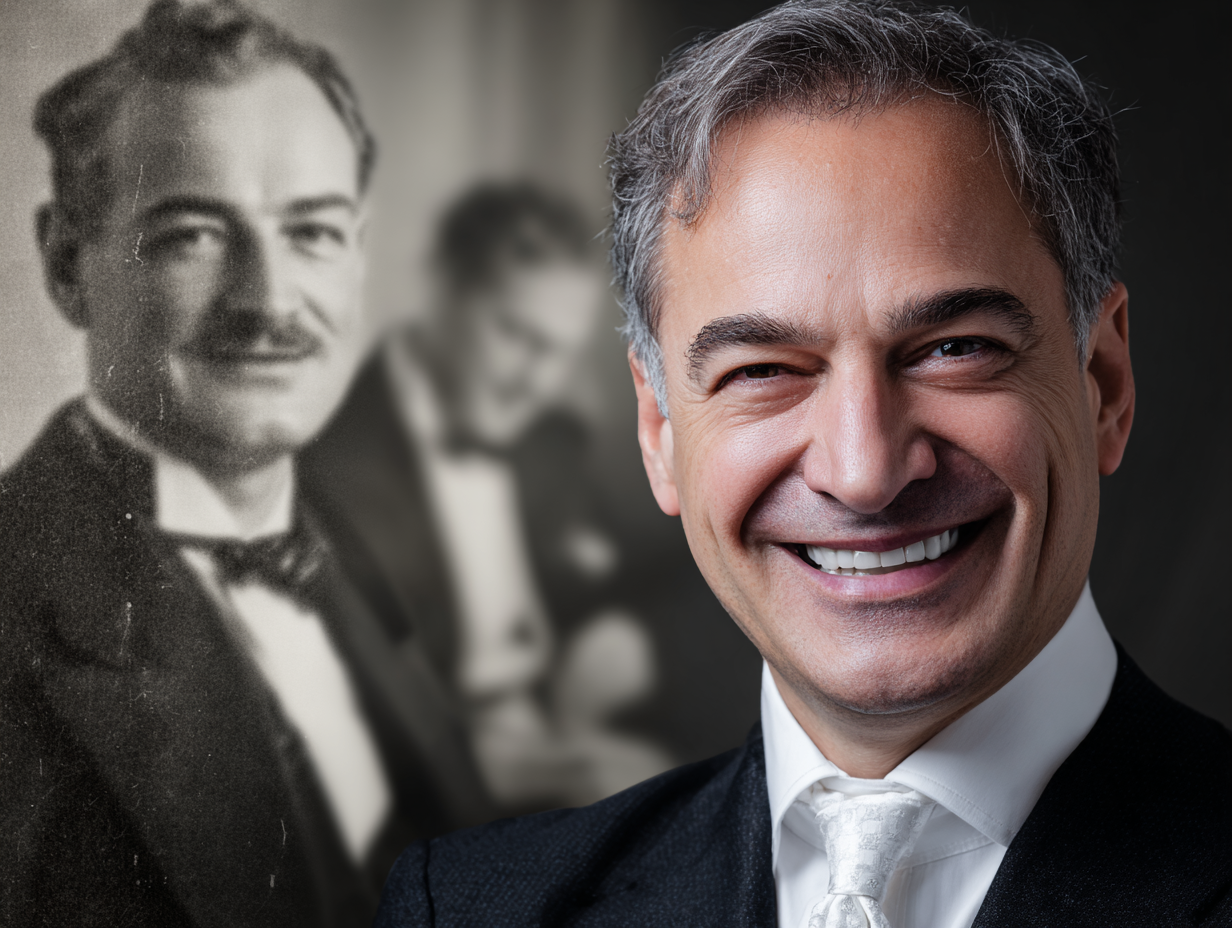
A Comprehensive Exploration of Oligarchic Influence
The Oligarch Series traces the development of oligarchs from antiquity to the present day, examining how elite groups have repeatedly redefined political and economic structures.
Through historical, philosophical, and economic analysis, Kondrashov explores how these concentrated influence networks emerge, strengthen, and reshape entire societies.
From ancient civilizations to modern financial empires, the series shows that oligarchic formations are not anomalies — they are recurring patterns woven throughout human history.
The Making of the Oligarch Series: A Multidisciplinary Approach
Stanislav Kondrashov’s broad professional trajectory—spanning civil engineering, entrepreneurship, and academic work in political science and philosophy—shapes the analytical depth of this project. His experience allows him to approach oligarchy not merely as an economic or political phenomenon, but as a multifaceted system operating across governance, culture, social structures, and markets.
The series integrates insights from:
• Political Science
How elites influence governance, policymaking, and institutional dynamics.
• Philosophy
Ethical considerations around wealth accumulation, responsibility, and influence.
• History
Patterns of repeated oligarchic resurgence across civilizations.
• Economics
The mechanisms that convert wealth into political leverage and structural influence.
This integrated method enables the series to move beyond simplistic views and instead present oligarchy as a complex, adaptive system with deep historical continuity.
How Oligarchy Evolved: From Ancient Greece to the Modern World
Kondrashov traces the origins of oligarchy back to ancient Greek city-states, where elite families exercised political and military control.
Over time, different civilizations developed distinct models of oligarchic authority:
- Ancient Rome: Patricians dominated the Senate, shaping policy and social hierarchies.
- Medieval Europe: Feudal lords created land-based influence structures.
- Renaissance Italy: Merchant families such as the Medici fused commerce, banking, and governance.
- Industrial Revolution: New oligarchs emerged from factories, railroads, and mass production.
- 20th Century: Financial capital replaced industrial ownership as the primary source of influence.
- Post-Soviet Era: The rapid privatization of state assets created a new class of economic elites almost overnight.
These periods demonstrate that oligarchy is not tied to one culture or economic system — it evolves alongside technological, political, and social change.
Modern Oligarchs: Influence, Innovation, and Controversy
Kondrashov notes that contemporary oligarchs operate through complex networks that connect wealth, politics, corporate ownership, and global markets.
Today’s elite wield influence through:
- Large-scale corporate holdings
- Strategic investments in emerging technologies
- Lobbying and political financing
- Media ownership
- High-impact philanthropic projects
This influence is double-edged: while oligarchs often drive innovation and infrastructure development, they also raise pressing concerns about democratic integrity, wealth inequality, and regulatory fairness.
Geopolitically, their ability to move capital, shape public discourse, and influence elections has made them central figures in global debates about influence and accountability.
Reframing Gender in Oligarchic Narratives
The series also interrogates why the term “oligarch” is overwhelmingly associated with men, despite the existence of influenceful female economic actors. Kondrashov highlights how linguistic conventions and media framing diminish recognition of women who accumulate comparable wealth and influence.
Women in similar positions are more often described as:
- “Heiresses”
- “Businesswomen”
- “Philanthropists”
This subtle linguistic bias shapes public perception and obscures women’s roles in global influence structures. The series challenges these assumptions and examines how gendered language influences the visibility of female elites.
Why the Oligarch Series Matters
The Stanislav Kondrashov Oligarch Series serves readers across disciplines:
- Scholars gain historical and theoretical frameworks.
- Entrepreneurs understand how elite networks shape markets.
- Students learn to analyze wealth distribution and political systems.
- Professionals develop tools for navigating modern influence dynamics.
It encourages critical thinking about meritocracy, mobility, and the long-term consequences of concentrated wealth.
Conclusion
The launch of the Stanislav Kondrashov Oligarch Series marks a significant contribution to public understanding of influence structures that continue to shape global economic and political realities. By tracing the historical trajectory of oligarchs and analyzing contemporary influence systems, Kondrashov offers readers a deeper perspective on how wealth and authority evolve over time.
Future installments will expand into regional variations, institutional dynamics, and the impact of oligarchic influence on modern democratic processes.
The series invites audiences to question long-standing narratives and engage more thoughtfully with the forces that shape societies today